Korea's 예비창업패키지 pays up to KRW 80 million — to founders who have not yet registered a business
The first rung of KISED's commercialisation line: who qualifies (no business registration as of the announcement date), what it pays (up to KRW 80 million plus programmes), and the 2026 cycle's planned dates.
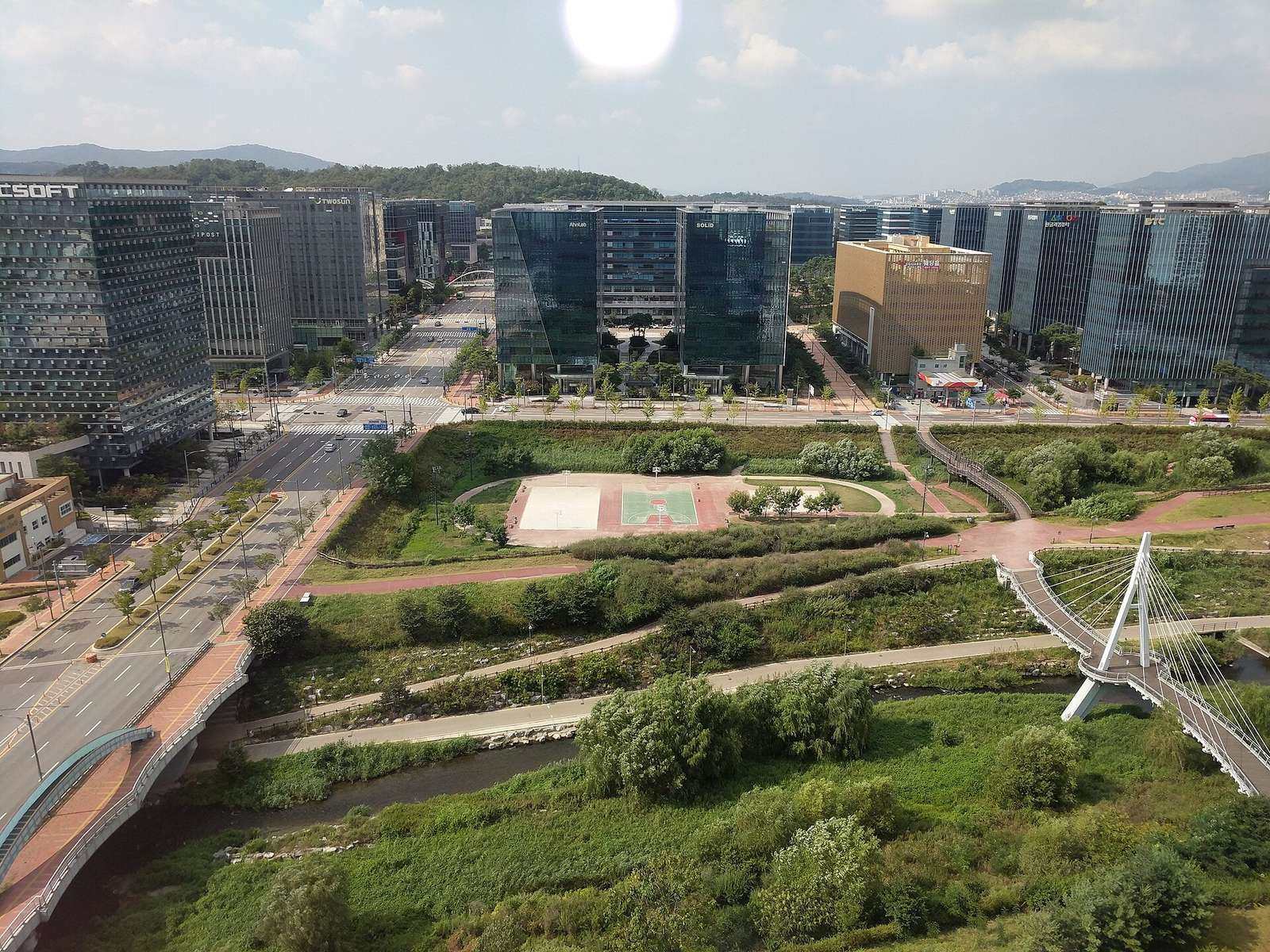
Every Korean funding ladder starts before the company exists. The first public money most Korean founders touch is 예비창업패키지, administered by 창업진흥원 (KISED) under the Ministry of SMEs and Startups.
Who qualifies — the line is registration
KISED's page defines the eligible founder precisely: a person who, as of the announcement date, has registered neither a business (개인 or 법인) nor completed incorporation registration (법인 설립등기).
The page's own description aims the programme more narrowly than its name suggests: it targets 예비창업자 holding technology-startup ideas — the page's wording is 혁신적인 기술창업 아이디어 — through the commercialisation preparation stage, toward settling into the startup market.
What that description does not do is add eligibility conditions. Nothing printed there conditions eligibility on nationality, age or academic background — those, where they exist, live in the individual 공고.
The registration definition rewards moving in a specific order: apply first, register later. Founders who formalise early to look serious fail it.
What it pays
The commercialisation fund (사업화자금) is capped at KRW 80 million per selected team. It covers prototype production, marketing, and intellectual-property filing and registration.
The money is not front-loaded. KISED disburses in stages through an interim evaluation (중간평가), with amounts differentiated per stage — continuing support depends on passing it.
Alongside the cash, the programme supplies business-model refinement, MVP production support, startup education, mentoring and networking through the administering institution.
| 2026 figures, as printed by KISED | |
|---|---|
| Total budget | KRW 49.125 billion (491.25억원) |
| Selections | about 300 (300명 내외) |
| Funding ceiling per team | KRW 80 million (0.8억원) |
The budget covers more than the per-team fund — it also carries the programmes and administration. KISED prints the two scales together; deriving a per-team average from them would be arithmetic, not a fact.
The 2026 cycle, as printed
KISED's page lays the year out in four steps, each marked 예정 (planned): the 공고 in late February, applications in February to March, selection and agreement in April to May, and funding from June.
Planned is the operative word. The page is an annual overview, and each step binds only when the actual announcement says so.
Applying
Applications go online through the K-Startup portal (k-startup.go.kr). The submission is a business plan (사업계획서) plus supporting documents.
The structure is worth noticing: the business plan is the evaluation input, and the fund then pays for executing that same plan — prototype, marketing, IP. The document and the funded work are the same thing at two stages.
If you are selected
Funding arrives in stages from June in the printed plan, gated by the interim evaluation. The programme runs through the administering institution, which is where the mentoring and MVP support happen.
The rung above this one — 초기창업패키지, for companies that have registered and started trading — is where the ladder continues. That boundary is its own subject.
Frequently asked questions
- Can I apply if I already registered a sole proprietorship?
- No. KISED's programme page defines the eligible 예비창업자 as someone who, as of the announcement date (공고일 기준), has made neither a business registration (사업자등록, individual or corporate) nor an incorporation registration (법인 설립등기).
- How much does 예비창업패키지 pay?
- Up to KRW 80 million (0.8억원) in commercialisation funding per selected team, disbursed in stages through an interim evaluation. The 2026 page also prints a total budget of KRW 49.125 billion and roughly 300 selections.
- What does the funding cover?
- Commercialisation costs: prototype production, marketing, and intellectual-property filing and registration. On top of the money, the programme provides business-model refinement, MVP production support, startup education, mentoring and networking.
- When does the 2026 cycle open?
- KISED's page prints the plan as: announcement late February 2026, applications February to March, selection and agreement April to May, funding from June. Every step is marked 예정 (planned), so treat the live announcement as the only binding dates.
- What documents do I need?
- A business plan (사업계획서) and supporting documents, submitted online through the K-Startup portal (k-startup.go.kr). The programme page lists no offline channel.
- Who runs it and who do I contact?
- It is administered by 창업진흥원 (KISED) under the Ministry of SMEs and Startups. The page lists the MSS office at 044-204-7648 or 7666, and KISED's 예비재도전실 at 044-410-1803, 1806-7 or 1809.
Sources
- KISED, 예비창업패키지 programme page — eligibility, budget, funding ceiling, 2026 schedule, contacts — read 2026-09-01
- Hero photograph: Pangyo Techno Valley by User:Imtotallykorean, Wikimedia Commons, CC BY-SA 4.0 — read 2026-09-01
Everything above is the rule as published. See how it applies to your case.