Korea startup programs and visas, explained
The agencies announce in Korean. We explain what each rule requires, in English, from the announcement itself — and list every source we read.
132 guides
- Programs
Korea Expressway youth AI startup pilot (한국도로공사 청년 AI 스타트업): who counts as 청년
한국도로공사 청년 AI 스타트업 지원 시범사업 안내
The Korea Expressway Corporation's 2026 youth AI startup pilot paid up to 50 million won to two big-data and AI pre-founders aged 19 to 39 with nothing registered in their own name. The notice sets no nationality rule, but it needs a Korean business registration and SME confirmation after selection.
5 min read2 sources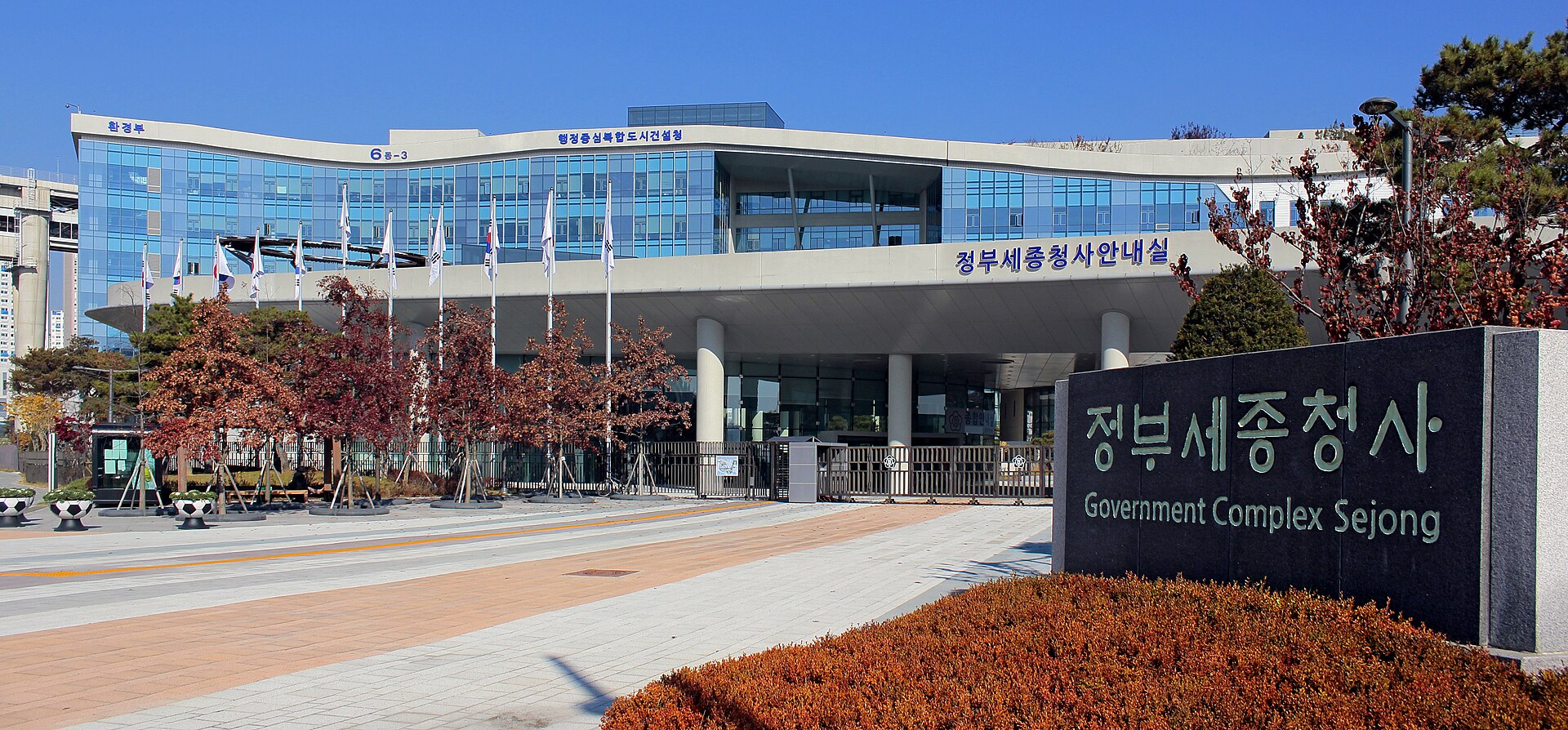
- Programs
Startup Water 2026 (물산업 혁신 창업대전): K-water's water startup competition
2026 대한민국 물산업 혁신 창업대전(Startup Water) 안내
Startup Water is a water-industry startup competition hosted by Korea's climate, energy and environment ministry and run by K-water. The 2026 notice sets two tracks of nine winning teams each, open to the whole public, and says nothing about foreign founders.
5 min read2 sources
- Programs
What Early Startup Package hosts run beyond the grant: open innovation meetups and IR contests
초기창업패키지 주관기관 오픈이노베이션 밋업·IR 경진대회
The Early Startup Package pays the grant, but its host organisations (주관기관) add their own programmes. CNTTech ran a Naver Cloud open innovation meetup and a four-round Rocket Ship IR competition in 2026 for companies already selected into the package. Neither notice sets a nationality rule.
5 min read11 sources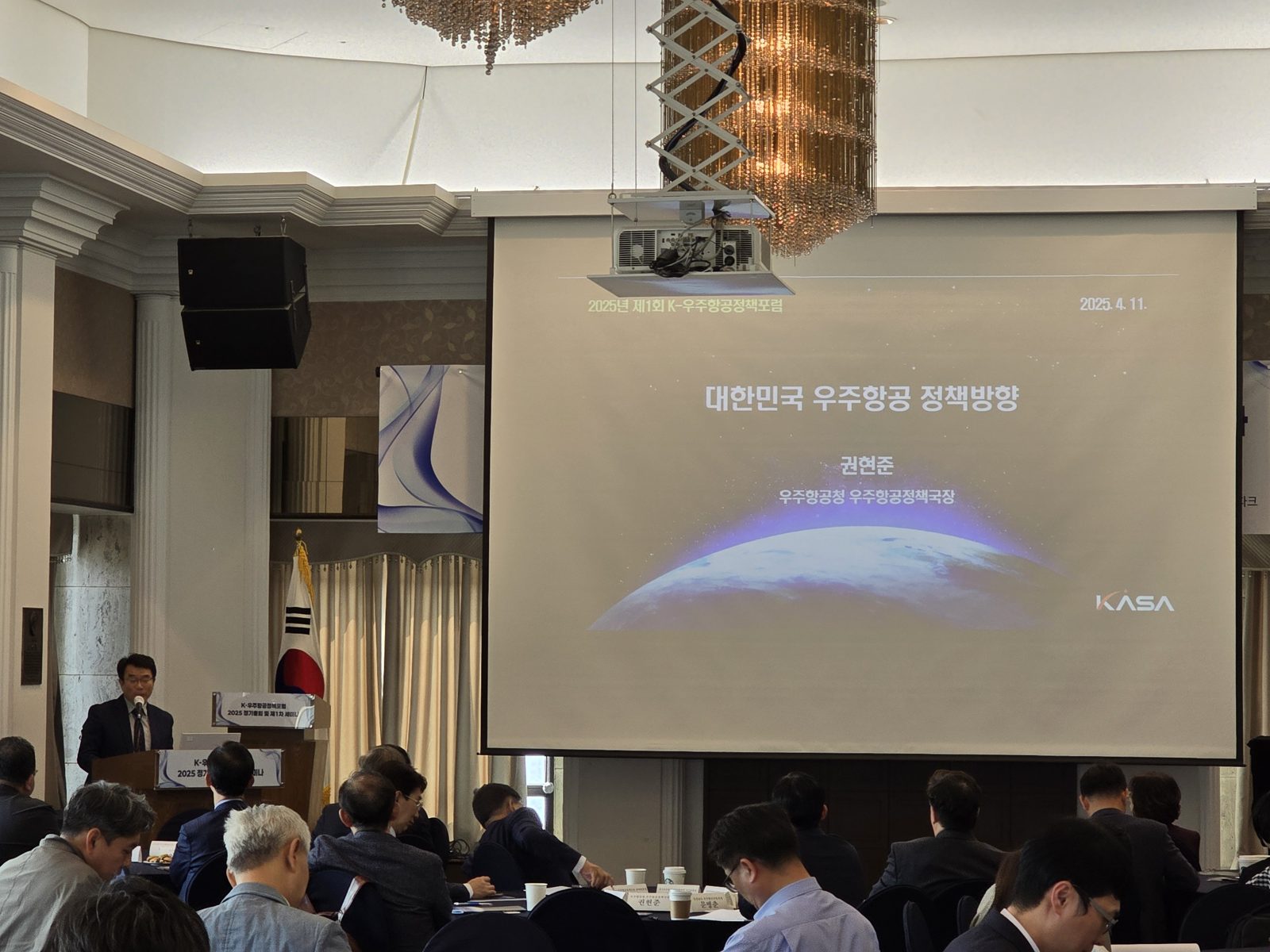
- Institutions
TIPS Town in Seoul, Pohang and Daejeon: what tenancy actually requires
팁스타운(TIPS Town): 서울·포항·대전 입주 안내
TIPS Town is three separate campuses, each run under different rules: Seoul restricts tenancy to TIPS-selected companies and operators, Pohang charges commercial rent with a monthly application deadline, and Daejeon runs a co-working floor its own page states supports foreign founders directly.
4 min read4 sources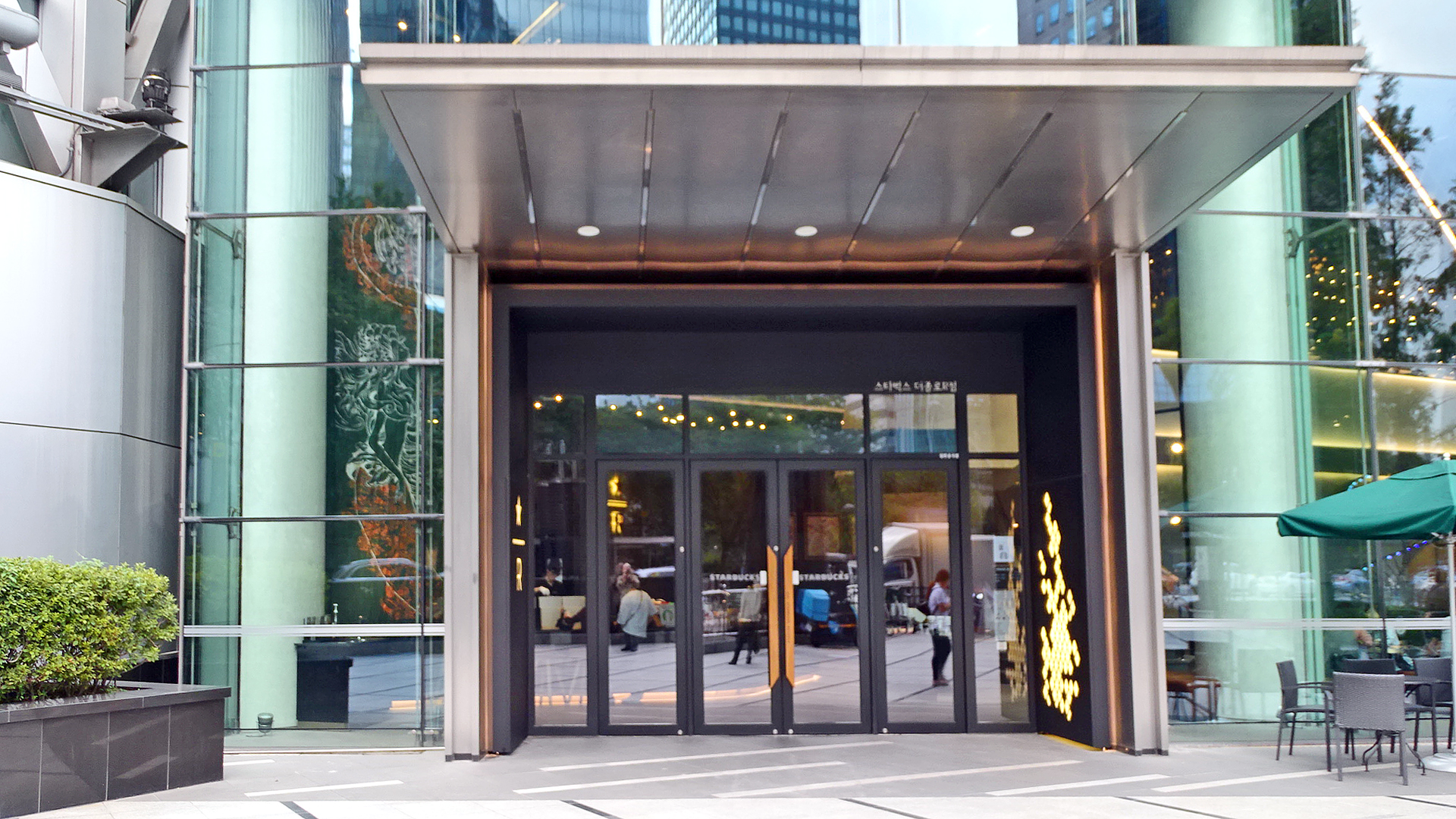
- Programs
The TIPS family for foreign founders: Pre-TIPS to Global TIPS, track by track
외국인 창업자를 위한 팁스(TIPS) 패밀리 총정리
TIPS is five stages, not one programme, per TIPS's own published timeline: launch, non-R&D linkage, TIPS Town, Pre-TIPS/Post-TIPS, and a 2026 growth-stage line. No 2026 notice fetched for this post states a foreign-founder or foreign-investment condition for any track; where a notice is silent, this post says so rather than guessing.
4 min read5 sources - Institutions
TIPS operators by type, region and sector: what the 145-operator list shows a foreign founder
팁스(TIPS) 운영사, 유형·지역·분야로 보기
TIPS's own operator directory lists 145 designated operators, retrieved 2026-09-24. Computed from that snapshot: accelerators are the largest type at 59, Seoul holds 55 percent of all operators, and AI is the most-listed sector. A third of the list was designated in the last two years.
4 min read3 sources
- Programs
Approaching a TIPS operator: what it screens for before recommending you
팁스(TIPS) 운영사에 다가가는 방법
A TIPS operator, not the government, is the first reader of a TIPS-track application. Government sources describe the operator as an angel-investing accelerator or VC that screens and recommends startups before the government makes its own selection. The operator directory itself does not publish a total operator count on the page fetched for this post.
3 min read3 sources
- Visas
Hiring international students part-time: what D-2 permits and what the employer files
D-2 유학생 시간제취업 채용 안내
A D-2 student visa does not, by itself, permit paid work. HiKorea's own guidance requires a separate part-time work permit before a student starts, and this post sets out what an employer can confirm today, and what it could not confirm from a primary source.
3 min read1 sources
- FounderCraft
Hometax for foreign founders: VAT, filings and the certificates you will be asked for
외국인 창업자를 위한 홈택스와 부가가치세 신고
The National Tax Service publishes exact VAT filing dates in English: a preliminary and a final return each half-year, on the 25th of April, July, October and January. GOV.KR's own English page lists the business certificates a foreign founder can request, and carries a site-wide notice that applications on the page are available in Korean only.
3 min read3 sources - Programs
창업성장기술개발: the startup R&D line and how it differs from a grant
창업성장기술개발사업과 R&D 지원
창업성장기술개발 (Startup Growth Technology Development) is one of several technology-development lines under the Ministry of SMEs and Startups' annual integrated R&D notice, administered by TIPA through the SMTECH system. Its own listing describes it as funding technology-development costs, not a flat grant, alongside separate lines for innovation, public-private commercialisation and investment-linked development.
3 min read3 sources
- Programs
Private accelerators in Seoul: which ones actually say they take foreign founders
Among well-known private accelerators active in Seoul, Antler Korea's own site states a mixed-nationality founder base directly, with pre-seed terms of $110,000 for 11% equity after a six-week residency, and SparkLabs Korea's own apply page states that founder nationality is irrelevant to selection. Google for Startups Accelerator: Korea and Plug and Play Korea publish general eligibility criteria that do not mention founder nationality either way, so confirm directly before assuming either of them accepts a foreign-founded company.
4 min read4 sources - Institutions
Seoul Global Center: business consultation for foreign residents
서울글로벌센터 창업 상담 서비스
Seoul Global Center runs a professional consulting service for foreign residents covering legal, corporate, tax, management, labour, visa, property and patent questions, alongside OASIS programme categories including corporation establishment and incubation office support. Its own site publishes the booking method and consulting categories; it does not print fee or eligibility detail beyond the booking form.
2 min read2 sources
- Institutions
Pangyo Startup Campus: 60 seats, and a "Global" track that still wants a Pangyo address
판교 스타트업캠퍼스: 60개 좌석과 판교 주소를 요구하는 '글로벌' 트랙
The Pangyo Startup Campus, run through Gyeonggi's startup platform, incubates 60 companies across three tracks including a Growth/Global category. Its separate Global Startup programme, aimed at overseas expansion, requires the applicant to already be based in Pangyo or Gyeonggi Province.
3 min read2 sources - Institutions
Gangwon Technopark: two specialist platforms behind a script-loaded homepage
강원테크노파크 소개
Gangwon Technopark (GWTP) is based in Chuncheon and runs at least two named platforms: a digital-health platform and a research-equipment information network. Its main site loads most section content through client-side scripts, so this post states only what a plain fetch could confirm, and flags the rest as unverified.
3 min read2 sources - Institutions
Daegu Technopark: its divisions, tenancy and support lines
대구테크노파크 소개
Daegu Technopark's own English site records a 1998 founding and lists six industry divisions covering robotics and mobility, advanced manufacturing, medical and bio, and urban innovation, alongside a university centre. Its history page lists specific facility openings from 2002 to 2022; none of the pages checked state a foreign-founder eligibility rule.
3 min read2 sources
- Institutions
LINC 3.0: the industry-academia programme funding 76 Korean campuses
LINC 3.0 사업과 대학 내 창업 지원
LINC 3.0 is the Ministry of Education's third-phase industry-academia cooperation programme, funding 76 universities across three categories. The Ministry's own release states the university count and the 2022 budget figure; it does not itemise a startup-centre budget line, and this article does not invent one.
3 min read2 sources - FounderCraft
Getting a K-Startup portal account as a foreigner: identity, ARC and certificates
K-Startup 포털 외국인 회원가입
K-Startup's own sign-up flow splits accounts into a domestic (내국인) and a foreign national (외국인) individual member type from the first screen. Both types run through the same four-step process and the same mobile-phone or I-PIN identity check, handled by a licensed verification service, not a form K-Startup itself controls.
7 min read1 sources - FounderCraft
The four major insurances when you make your first hire
첫 직원 채용 시 4대보험 안내
Hiring your first employee in Korea brings four separate insurance programmes into play, reported through one joint portal but administered by different bodies. This post confirms what each covers and who is legally responsible for its premium, and flags where this post could not confirm a current rate from a primary source.
3 min read3 sources - FounderCraft
The business address: what a tax office and the visa file accept
사업자등록과 사업장 주소
The National Tax Service's own English-language service listing names a lease agreement copy as a required document for a business registration application. Business registration is one of InvestKOREA's seven incorporation steps, and the address behind it carries into the company's official documents.
3 min read3 sources - Institutions
University technology holding companies, with Seoul National University Technology Holdings as the worked case
대학 기술지주회사와 서울대학교기술지주
A technology holding company is a legally defined structure: a company controlled by a university industry-academic cooperation unit or research institute, formed to commercialise the university's technology through equity stakes in subsidiary spinoffs. Seoul National University Technology Holdings, founded in 2008, is the worked example, using its own published programme list.
3 min read4 sources
- Institutions
Korea Innovation Center (KIC): why its overseas offices are not a door into Korea
Korea Innovation Center (KIC) is a network of government-linked offices abroad, including Silicon Valley, DC, Europe and China. KIC Silicon Valley's own page states its mission as helping Korean tech startups validate and grow in the US market, and NIPA, the agency that runs it, names its target as "domestic ICT and science-technology startups." A foreign founder looking for a way into Korea will not find one through KIC.
4 min read3 sources - Institutions
Seoul Global Startup Center: the city's own centre for foreign founders
서울글로벌창업센터(Seoul GSC) 입주 안내
Seoul Global Startup Center (Seoul GSC) is a Seoul Metropolitan Government facility in Yongsan-gu built for foreign founders, distinct from the similarly-named Global Startup Center run nationally by MSS and KISED in Gangnam-gu. The city's own site publishes three applicant tiers, a one-year renewable membership and a stated maximum funding figure.
3 min read3 sources
- Institutions
Seoul Business Agency (SBA): the city agency behind Seoul Startup Hub
서울경제진흥원(SBA): 서울창업허브를 운영하는 시 산하 기관
SBA (서울경제진흥원) is Seoul city's SME and startup support agency. Its own pages name several Seoul Startup Hub locations but disagree on the count, and none of the pages fetched for this post state a foreign-founder eligibility rule.
3 min read2 sources - Institutions
Sejong Technopark: tenancy, a technology-doctor consulting line and a regulation-complaint desk
세종테크노파크 입주와 지원사업
Sejong Technopark (SJTP) recruits resident companies year-round for its Jochiwon-eup campus, runs a one-on-one "Technology Doctor" consulting programme, and operates a dedicated desk for reporting business regulation problems. Its homepage does not state a foreign-company condition.
3 min read1 sources - Institutions
Gwangju Technopark: its complexes, tenancy and support lines
광주테크노파크 소개
Gwangju Technopark's own history page records designation as a technopark operator in December 1997, corporate establishment approval from the Ministry of Industry and Resources in December 1998, and an opening in February 1999 as Gwangju-Jeollanam-do Technopark, renamed Gwangju Technopark in March 2004. Its pages list named complexes and support centres; none state a foreign-founder eligibility rule.
3 min read2 sources - Institutions
MARU180 and MARU360: the Asan Nanum Foundation's Yeoksam-ro startup centres
아산나뉀재단 마루180과 마루360 입주 지원
MARU180 and MARU360 are startup centres run by the Asan Nanum Foundation on Yeoksam-ro in Gangnam-gu, Seoul. The foundation's own pages describe space, mentoring and benefits support, plus a specific recruitment round's eligibility and two-stage selection process. The maru180.com address does not serve a working site; the foundation's own domains do.
3 min read2 sources
- FounderCraft
Working with a Korean patent attorney (변리사): what the role is and how to brief one
한국 변리사와 협업하기
KIPO's own pages state that a foreign applicant without a Korean address or place of business cannot file a patent, utility model or PCT national phase application without a Korean agent. That agent role is filled by a registered patent attorney (변리사) or a legal representative. This post covers what KIPO requires of the filing, not the licensing exam or discipline of the profession, which this post's sources do not cover.
8 min read4 sources - FounderCraft
Registering a corporate research institute (기업부설연구소)
기업부설연구소 설립 신고 안내
A corporate research institute registration is a reporting-system status, not a licence, held with the Korea Industrial Technology Association. The number of dedicated researchers it requires scales with company size. The page fetched for this post does not itself state that registration is the basis for an R&D tax credit; the legal basis it cites is the enforcement rule of the Industrial Technology Research Association Act.
4 min read2 sources - FounderCraft
The corporate seal and its certificate: what needs one
법인인감과 인감증명서
InvestKOREA's incorporation sequence registers a company at the court, and a corporate seal belongs to that registration. It is a different seal, and a different office, from the personal seal certificate a district office issues to individuals.
3 min read4 sources - FounderCraft
KIBO and KODIT: technology and credit guarantees, and which one a startup meets
기술보증기금(KIBO)과 신용보증기금(KODIT)
KIBO assesses technology and KODIT assesses general creditworthiness, but both are credit guarantee funds, not lenders: they guarantee a portion of a bank loan so a company without collateral can still borrow. Their own pages describe an AI-based technology rating for KIBO and a four-stage startup guarantee line for KODIT.
3 min read4 sources - Programs
Incheon Foreign Startup Challenge: what IFC actually is, and why IFC2026 is already closed
The Incheon Foreign Startup Challenge (IFC) is Incheon Technopark's annual competition for foreign tech entrepreneurs, run through its AI Innovation Center. Its own IFC2026 notice closed on July 3, 2026, with no live next-round notice on the pages fetched for this post. Search results describing Incheon Technopark's page connect IFC to OASIS-6. Confirm a current notice on itp.or.kr before treating this as an open call.
3 min read2 sources
- Institutions
Seoul Food Startup Center: tenancy, facilities and support tracks
서울먹거리창업센터 입주와 지원사업
The Seoul Food Startup Center is a city-founded incubator in Gangdong-gu for agri-food companies, offering free office space, an open kitchen and laboratory, mentoring and investment matching. Its own site publishes the building layout, tenancy terms and, as of the page fetched, a February 2017 snapshot of resident companies.
2 min read1 sources - Institutions
GBSA (경기도경제과학진흥원): a 1997 SME foundation that now runs a foreign-investor centre
GBSA(경기도경제과학진흥원): 1997년 중소기업재단에서 외국인투자기업지원센터까지
GBSA is Gyeonggi Province's economic and science promotion foundation, formed by a 2017 merger of two provincial bodies with roots back to 1997. Its own pages name a Foreign-invested Enterprise Support Center, an eight-hub startup-space network including Pangyo, and an overseas-investment line called Invest Gyeonggi.
3 min read3 sources - Institutions
Jeonbuk Technopark: six sites, four support lines, one English portal
전북테크노파크 시설과 사업 안내
Jeonbuk Technopark (JBTP) runs an English portal at jbtp.or.kr/eng and lists sites in Jeonju, Wanju, Buan and Iksan, each tied to a sector: automotive and carbon materials, renewable energy, medical convergence, and design. Its pages do not state a foreign-company condition; the current notice for a specific site decides that.
4 min read3 sources - Institutions
Daejeon Technopark: its centres, tenancy and support lines
대전테크노파크 소개
Daejeon Technopark's own site records incorporation by the Ministry of Industry and Resources on December 26, 2002, an operating start in January 2003 as the Daejeon Advanced Industry Promotion Foundation, and a rename to Daejeon Technopark on March 1, 2008. Its pages describe named centres and business-support programmes; none state a foreign-founder eligibility rule.
3 min read3 sources - Institutions
D.CAMP and Front1: the bank-funded foundation's Seoul startup spaces
은행권청년창업재단의 디캄프와 프론트원
D.CAMP runs two Seoul office locations for startups: Seolleung, open since 2013, and Mapo, open since 2020 and marketed as FRONT1. Its own site publishes the entry route, the fee and the eligibility profile it targets. The front1.kr address itself now redirects to dcamp.kr rather than serving its own site.
3 min read3 sources - FounderCraft
Entering Korea from a PCT application: the national phase
한국 PCT 국내단계 진입
A PCT application does not become a Korean patent by itself. WIPO's own time-limit table and the Korea national chapter of the PCT Applicant's Guide, both published under MOIP's authority as the designated office, set a 31-month deadline, a Korean-translation requirement, national fees and a mandatory local agent for non-resident applicants.
8 min read3 sources - FounderCraft
Venture company certification (벤처기업확인): routes and what it unlocks
벤처기업확인 제도 안내
Korea's venture company certification has four separate routes, each with its own evaluator, fee and requirements. The official system's own pages set out an investment route, an R&D route, an innovation-growth route and a pre-venture route, plus a published benefits list covering tax, guaranteed loans, KOSDAQ listing and stock options.
4 min read5 sources - FounderCraft
Foreign direct investment reporting and the foreign-invested company registration
외국인투자 신고와 외국인투자기업 등록
InvestKOREA's published incorporation sequence opens with foreign direct investment notification and closes with foreign-invested company registration, the seventh and last step. The registration deadline is 60 days after the investment payment, and the notified body is KOTRA or a foreign exchange bank.
3 min read2 sources - Institutions
KVIC and the fund of funds: why most Korean VC money is partly public
한국벤처투자(KVIC)와 모태펀드
Korea Venture Investment Corporation manages the Korea Fund of Funds, a government-capitalised pool established in 2005 that invests in venture capital funds rather than companies directly. Its own page states the fund size, its 13 government partners and that it groups its sub-funds into several categories.
3 min read2 sources - Programs
K-Startup Grand Challenge: KISED's foreign-founder accelerator, and the track it is not
K-Startup Grand Challenge (KSGC) is KISED's own accelerator for foreign nationals with a prospective or under-seven-year-old startup, selecting roughly 40 companies with office space, settlement funds, demo-day prize money and D-10-2/D-8-4 visa support. A separate, narrower track on ksgc.global serves teams of enrolled international students already in Korea. KISED's own page still shows an April-May 2025 window, so confirm current dates before applying.
5 min read2 sources
- Institutions
Seoul Bio Hub: the city's life-science and health startup centre
서울바이오허브 입주와 지원사업
Seoul Bio Hub is a life-science startup centre in the Hongneung area, funded by the Seoul Metropolitan Government and, by its own site, operated by the Korea Health Industry Development Institute. Its own pages describe wet-lab and office tenancy across several linked centres, shared research equipment, and a cumulative record of tenant companies since 2017.
3 min read2 sources - Institutions
Ulsan Technopark: heavy-industry centres and one unexplained Singapore line
울산테크노파크: 중공업 특화 센터와 설명 없는 싱가포르 라인
Ulsan Technopark runs a set of heavy-industry technology centres from Jung-gu, Ulsan, founded in 2003 as the Ulsan Industrial Promotion Foundation. Its homepage names a 2026 Singapore-focused expansion line without describing it, and prints no foreign-founder eligibility rule.
3 min read3 sources - Institutions
Jeju Technopark: the island's foundation for bio, energy and digital sectors
제주테크노파크 기관 소개
Jeju Technopark (JTP) is a foundation based in Jeju City that runs departments for bio convergence, lava seawater, energy convergence and digital convergence alongside policy planning and enterprise support. Its homepage does not state a foreign-company condition for any programme.
3 min read2 sources - Institutions
Busan Technopark: its complexes, tenancy and support lines
부산테크노파크 소개
Busan Technopark's own site states a founding date of December 18, 1999 under the Special Act on Support for Industrial Technology Districts. As of January 2025 it lists 19 operational sites and 305 staff across 8 departments and 2 offices. Its pages describe testing, certification, smart-factory and export support; none state a foreign-founder eligibility rule.
3 min read2 sources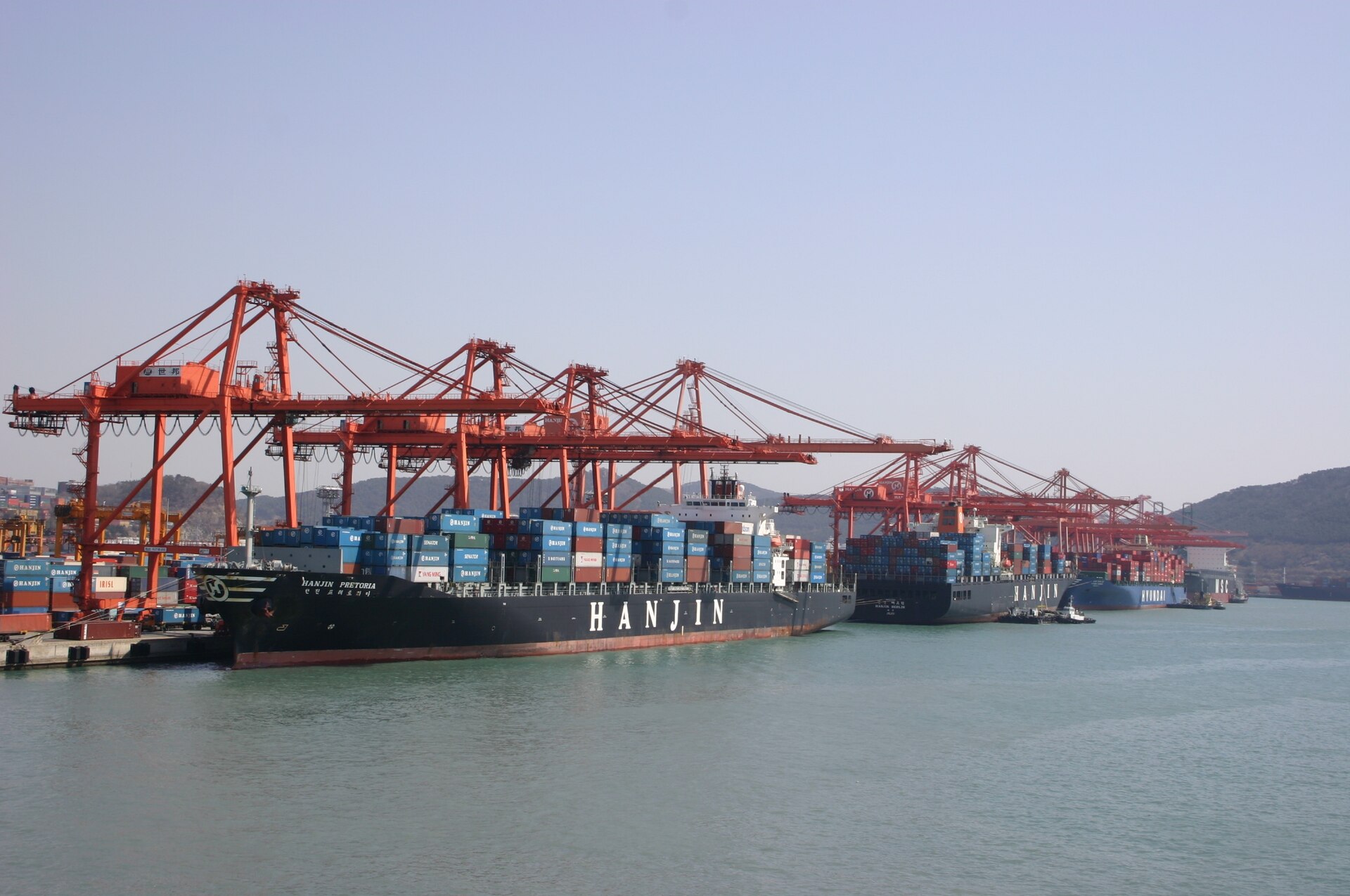
- FounderCraft
Who scores your application: KISED's evaluator pool and how panels are formed
창업지원사업 평가위원회 위원 후보단(Pool)
KISED (창업지원사업평가위원회 후보단) keeps a standing, rolling-recruitment pool of technology and management evaluators, recruited through the K-Startup portal. Its own notice states what an appointed member does: score programmes, sit on deliberation bodies, and inspect funded startups. The notice does not publish the qualification bar or the evaluation fee amount.
3 min read3 sources - FounderCraft
Design registration with KIPO: what it protects and how a filing runs
한국 디자인 등록, 무엇을 보호하고 어떻게 진행되는가
KIPO protects the appearance of an article as a design right, separate from a patent or trademark. Its own pages describe two examination routes, a 20-year term from filing, and special systems for partial and related designs. The OASIS operator scores a registered design lower than a registered patent, and the two systems answer different questions.
7 min read3 sources - FounderCraft
The startup SME tax reduction (창업중소기업 세액감면): who qualifies and for how long
창업중소기업 세액감면 제도
Article 6 of Korea's Restriction of Special Taxation Act reduces income or corporate tax for a qualifying startup SME. The rate depends on founder age, location and founding date, the reduction runs for up to five tax years, and the statute itself does not address a foreign founder's eligibility.
5 min read3 sources - FounderCraft
Opening a Korean corporate bank account as a foreign founder
외국인 창업자의 법인 통장 개설
InvestKOREA's published incorporation sequence places the corporate bank account at step six, after business registration and before foreign-invested company registration. The same page notes a 20-business-day restriction on opening a second account at another bank once the first is open.
3 min read2 sources - Institutions
KOSME (Korea SMEs and Startups Agency): policy loans and what a young company can reach
KOSME(중소벤처기업진흥공단)와 정책자금
KOSME, published in English as the Korea SMEs and Startups Agency, is a non-profit, government-funded organization that runs policy loans and non-financial support for Korean SMEs across the startup, growth and re-growth stages. Its own pages describe the fund structure but do not state eligibility for foreign-invested companies.
2 min read4 sources - Institutions
Seoul Startup Hub: tenancy and programmes at the Gongdeok campus
서울창업허브 입주와 지원사업
Seoul Startup Hub is a city-funded startup campus in Mapo-gu, operated by the Seoul Business Agency. Its own site lists Global Expansion, Open Innovation, Investment and Try Everything as its four programme lines; the Seoul Metropolitan Government describes it as the city's largest startup incubator, opened in June 2017.
3 min read3 sources - Institutions
Gyeongnam Technopark: eight centres, one Changwon foundation
경남테크노파크: 여덟 개 센터, 창원의 한 재단
Gyeongnam Technopark is a Gyeongnam Province foundation, chartered in 2000, that runs eight industry-specific centres from Changwon. Its own pages describe incubation space and discounted equipment access but print no separate foreign-founder eligibility rule.
3 min read2 sources - Institutions
Gyeongbuk Technopark: a network of sector centres, not one office
경북테크노파크 조직과 센터 안내
Gyeongbuk Technopark (GBTP) is a foundation that runs six departments and a set of named specialist centres across Gyeongsan, Gumi, Gyeongju, Yeongju, Seongju and Chilgok. Its own site does not state a foreign-company or foreign-investment condition; the current notice for a specific centre decides that.
4 min read3 sources - Institutions
Korea's regional technopark network: what a technopark is and who can use one
전국 테크노파크: 지역 테크노파크란 무엇인가
The Korea Technopark Association lists 19 member technoparks nationwide. Each is a separate foundation with its own recruitment rounds, facilities and funding line under the Special Act on Support for Industrial Technology Districts. None of the pages checked for this post state a foreign-founder eligibility rule.
3 min read2 sources - Institutions
Regional startup academies and open lectures: what they actually offer
지역 창업 아카데미와 공개 강좌 활용법
Regional startup academies can be useful entry points for learning, mentoring and local connections, but an open lecture is not automatically a funding or residency route. Read the operator's notice for audience, schedule, language, selection and follow-up conditions.
7 min read3 sources
- Programs
Demo days and IR events: which ones take a foreign-founded company?
데모데이와 IR 행사에 외국인 창업기업이 참여하는 법
A demo day, an investor-matching day and a startup festival can all appear under Korea's event and network support line, but they do not share one eligibility rule. Foreign-founded companies should read the event notice for applicant, location, language and pitch requirements.
6 min read4 sources - Programs
IP support programmes for startups: where IP-R&D fits
스타트업 IP 지원사업과 IP-R&D의 위치
Korean startup support includes public IP search, consulting and commercialisation programmes, but each notice sets its own applicant and delivery rules. This guide separates the IP work a founder can do now from the programme support that must be matched to a current notice.
6 min read3 sources - FounderCraft
From idea to venture record to application: the evidence chain
아이디어에서 창업 이력과 사업 신청까지
A Korean startup application becomes easier to verify when the idea, the venture record, and the selected notice are kept as one evidence chain. This guide shows how to move between those stages without treating a portal profile as proof of eligibility.
6 min read3 sources - Institutions
Jeonbuk Global Game Center: tenancy, game support and the internship line
전북 글로벌게임센터 입주와 지원사업
The Jeonbuk Global Game Center is a sector centre operated through the Jeonbuk State Contents Convergence Agency. Its official pages describe game-company incubation, production support, tenancy, equipment, specialist training and company-linked internships. The current recruitment notice controls an application.
4 min read4 sources - Visas
Invest KOREA and the D-8-1 investor visa: do not confuse investment with startup eligibility
Invest KOREA와 D-8-1 투자비자 구분하기
D-8-1 and D-8-4 are separate categories on the official Korea Visa Portal. D-8-1 is listed as Incorporated Enterprise under Investment, while D-8-4 is Technology and Business Startup. Invest KOREA supports foreign investment entry, but neither fetched official page states a capital floor here.
3 min read3 sources - Programs
GovTech and public-sector competitions in Korea: read the line before the prize
GovTech 공공부문 창업경진대회 읽는 법
A public-sector competition is not one generic grant. K-Startup classifies notices by support line and publishes the current announcement, operator and attachment. Use the GovTech line as a route for matching a public problem to the notice that actually accepts your company.
3 min read3 sources - FounderCraft
PSST Team section: show who can deliver the plan
PSST 팀 구성 섹션 작성법
The PSST Team section should connect named people to the work a current programme plan proposes. Use the current notice and attachment, then show roles, relevant evidence and gaps without inventing a required score or team size.
3 min read3 sources - Institutions
University business incubation centres in Korea: tenancy as a startup route
한국 대학 창업보육센터 입주와 창업자 지원
A university business incubation centre can be more than an affordable room. It may connect a startup with university expertise, students, equipment, mentoring and regional networks, but each centre sets its own eligibility, selection, contract and support terms. Use the centre's own notice as the rulebook.
6 min read4 sources - Programs
The Korean startup 공고 season: why January to March feels heaviest
한국 창업지원사업 공고 시즌과 11월 준비법
Korean startup-support notices do not all open on one national deadline. Still, January to March often feels heavy because the annual integrated notice is published before the year starts and many KISED programme pages place notices, applications and selection steps across the first quarter. Use November to prepare a system, not to guess next year's dates.
6 min read5 sources - Programs
Corporate open innovation calls: what BOUNCE shows a startup should prepare
기업 오픈이노베이션 공고와 BOUNCE 준비법
Corporate open-innovation calls are usually about a specific company problem, not a general startup pitch. BOUNCE is a useful worked case: its official notice describes private one-to-one meetups between startups and large or mid-sized companies, so founders should prepare a problem-matched collaboration proposal rather than a generic deck.
6 min read4 sources - FounderCraft
PSST Scale-up section: turn a plan into a credible growth path
PSST 성장전략 섹션 작성법
The PSST Scale-up section should show how a defined customer problem becomes a larger, testable business. Map the growth path, evidence, resources and risks to the current programme attachment instead of copying a generic template or inventing a funding number.
5 min read4 sources - FounderCraft
Patent and utility model filing in Korea: what the OASIS matrix counts
한국 특허와 실용신안 출원, OASIS 점수에서 세는 항목
KIPO treats patents and utility models as different rights with related filing steps. For the OASIS D-8-4 matrix, registered rights, co-inventor rights and pending applications receive different points, while overlapping intellectual-property points are capped. File according to KIPO rules, then document the status the operator can verify.
5 min read4 sources - Programs
Tokyo PMF and GTM programmes: how to read an overseas expansion line
도쿄 PMF·GTM 프로그램 읽는 법
An overseas PMF or GTM programme should be read as a market-validation route, not as a travel budget or a guaranteed sales channel. Use the Tokyo line as a worked case: define the target market, prepare evidence, and verify the current notice before relying on dates or support details.
4 min read4 sources - Institutions
MSS, KISED and K-Startup: who sits above a Korean startup notice?
중소벤처기업부와 창업진흥원, 공고의 국가 단위 구조
MSS, KISED and K-Startup are related parts of the national startup-support layer, but they do different jobs. Use the ministry for policy context, KISED for its own programme and operator material, and the current notice for the rules of a specific call.
4 min read3 sources - FounderCraft
PSST Solution section: turn a problem into a testable response
PSST 해결방안 섹션 작성법
The Solution section should show how a defined product or service responds to the specific problem in the plan. Connect each feature to a customer failure, explain what you can deliver, and leave current programme fields to the notice and its attachment.
4 min read3 sources - Programs
SVC Seoul Startup Venture Campus: the global membership line
SVC Seoul Startup Venture Campus 글로벌 멤버십
SVC is a public-partnered startup support platform with a global-expansion focus. Treat the Seoul membership line as an access and ecosystem route whose current notice controls seats, dates, fees and eligibility, not as automatic grant funding.
5 min read4 sources - Programs
Korean startup programmes by sector and stage: which line fits you?
업종과 성장단계에 맞는 창업지원사업 찾기
Korean startup support is organized into lines that include commercialization, R&D, space, mentoring, global support and more. Choose by company stage and sector first, then verify the current notice rather than treating every programme as interchangeable grant funding.
4 min read4 sources - FounderCraft
Filing a trademark with KIPO as a foreign founder
외국 창업자의 한국 상표 출원
A foreign founder can file a Korean trademark, but the route depends on whether the applicant has an address or place of business in Korea. MOIP explains the filing documents, Korean-language requirement, representative rule and priority window.
4 min read3 sources - FounderCraft
PSST Problem section: what a Korean reviewer needs to understand first
PSST 문제정의 섹션 작성법
The Problem section is the part of a PSST plan that makes the opportunity testable. Define the affected customer, the failure they experience, the evidence you have, and the alternative they use now without pretending an old form is the current rule.
4 min read3 sources - FounderCraft
KIPRIS: how to search Korean trademarks and patents before you file, and what IP scores for D-8-4
KIPRIS 상표·특허 검색과 D-8-4 지식재산 점수
KIPRIS is Korea's free patent and trademark search, run for MOIP (formerly KIPO). How to search it, what a clean result cannot show, how a founder living in Korea can file without a patent attorney and for how much, and what patents, designs and applications are worth on the D-8-4 matrix.
11 min read20 sources - FounderCraft
Register a business in Korea as a foreigner: sole proprietor or corporation, and what your visa needs
외국인 사업자등록: 개인사업자와 법인, 비자에 맞는 형태
A sole proprietor registers at the tax office within 20 days of starting; a corporation registers at the court registry first. D-8-4 needs a corporation, D-9-1 needs an individual registration as a trade business, and the date you register decides whether 예비창업패키지 or 초기창업패키지 is still open to you.
12 min read34 sources - Visas
E-7 visa from the employer's side: what a Korean startup must show to sponsor its first foreign hire
특정활동(E-7) 사증: 창업 초기 기업이 첫 외국인 전문인력을 초청하는 요건
What a Korean startup must show to sponsor an E-7 hire, from the Ministry of Justice's 2026.9 manuals: the no-revenue provision for early-stage foreign-invested or venture companies, the job-code rule that decides whether 5 Korean staff and a 20% ratio apply, the KRW 31.12 million wage floor valid to 31 December 2026, and the filing steps and fees.
13 min read6 sources - Visas
OASIS-9, Support Start-Up Items Commercialization: the other 30 prerequisite points on the D-8-4 matrix
OASIS-9 창업 아이템 사업화 지원 — D-8-4 매트릭스의 30점
OASIS-9 is Support Start-Up Items Commercialization on the operator's D-8-4 page: 30 prerequisite points for early-stage policy support with three printed streams — initial commercialization expenses, R&D and post-management. The operator prints no syllabus or hours for it.
3 min read2 sources - Visas
OASIS-6, Invention Start-Up Exhibition: the 30 prerequisite points on the D-8-4 matrix
OASIS-6 발명·창업 박람회 — D-8-4 매트릭스의 30점
OASIS-6 is Invention, Start-Up Exhibition on Korea's D-8-4 start-up visa matrix — a prerequisite-side item at 30 points, with the operator printing sales channels, investor connections, technology transaction and investment counseling as its job description. What the operator page says about it.
4 min read3 sources - Visas
OASIS-7, Graduation from Start-Up Incubation: 15 points and the six-month rule on the D-8-4 matrix
OASIS-7 창업보육 졸업 — D-8-4 매트릭스의 15점과 6개월 규칙
OASIS-7 is Graduation from Start-Up Incubation on Korea's D-8-4 matrix: 15 elective points, an incubation space for founders who completed IP and start-up support programmes or won awards, and one printed timing rule — graduation counts only after six months since move-in.
4 min read2 sources - Visas
OASIS-8, Support for corporation establishment: the 15-point item on the D-8-4 matrix
OASIS-8 법인 설립 지원 — D-8-4 매트릭스의 15점
OASIS-8 is Support for corporation establishment on Korea's D-8-4 start-up visa matrix: 15 elective points for a step the operator also lists as a bare requirement — the corporation itself. What the operator prints about the support, its printed two-week worked-example figure, and how the two roles sit next to each other.
3 min read3 sources - Visas
OASIS-5 Start-Up Coaching and Mentoring: 15 points from a minimum of 6 hours on the D-8-4 matrix
OASIS-5 창업 코칭·멘토링 — D-8-4 매트릭스에서 15점
OASIS-5 is the coaching and mentoring item on Korea's D-8-4 start-up visa matrix: 15 elective points, one-on-one sessions with a start-up immigration mentor or experts, and a recognised minimum of 6 hours across 3 sessions. What the operator prints — and one numbering clash it leaves standing across its own two pages.
4 min read3 sources - FounderCraft
Toss Payments: why the webhook, not the redirect, decides a sale
토스페이먼츠 연동 가이드: 결제 완료를 리다이렉트가 아닌 웹훅으로 처리해야 하는 이유
Foreign founders integrating Toss Payments often rely on the client browser redirect to grant access. That pattern breaks on mobile drops, tab closes, and virtual accounts. Toss Payments developer documentation mandates webhook-driven fulfillment. How the retry policy works, HMAC signature verification, and building idempotent handlers.
3 min read2 sources - Visas
OASIS 4+ Basic Trading Course: the 10-point certificate on Korea trade visa (D-9-1) points matrix
OASIS 4+ 기본 교역 과정 — D-9-1 교역 비자 매트릭스의 10점
On the operator trade visa (D-9-1) page — a different matrix from the D-8-4 — the Basic Trading Course (OASIS 4+) certificate scores 10 points in the trade-expertise pool. The operator prints 25 hours over 3 full days, in Korean, open every quarter. The printed day totals and the printed modules disagree on the operator's own page.
5 min read2 sources - FounderCraft
Sending Korean customer data to a foreign AI API: what PIPA Article 28-8 asks
한국 고객 데이터를 해외 AI API로 전송할 때: 개인정보 보호법 제28조의8 요건
Sending Korean user personal information to foreign AI models constitutes a cross-border transfer under PIPA Article 28-8. The law bars overseas transfer unless you meet one of five statutory exemptions. How the contract execution path works, the five mandatory disclosures, and the Commission's suspension powers under Article 28-9.
4 min read2 sources - Programs
TIPS and the private-public matching route: the investor decides first, the government funds follow
TIPS — 민간 투자사가 먼저, 정부 자금이 뒤따르는 매칭 경로
TIPS selects startups through private investment firms: a TIPS-operating firm invests, incubates and recommends first, and government R&D and commercialisation funds are matched to that decision. KISED prints a ₩123.7 billion budget across some 860 companies — but a recommendation is not an award, and the two official pages even print different application windows.
5 min read3 sources - Visas
OASIS-1 Basic Intellectual Property course: 10 elective points on the D-8-4 start-up visa matrix
OASIS-1 지식재산권 기초 과정 — D-8-4 매트릭스에서 10점
OASIS-1 is the entry-level intellectual property course on Korea's D-8-4 start-up visa points matrix: 10 elective points, an 80% attendance floor, and two different durations on the operator's own page — 2 weeks in the course listing, 2 days in its worked example. What it covers, and the one thing its points cannot do.
6 min read3 sources - Visas
OASIS-4 Basic Start-up Class: the syllabus behind 10 elective points on the D-8-4 matrix
OASIS-4 기본 창업반 — D-8-4 매트릭스에서 10점
OASIS-4 is the Basic Start-up Class on Korea's D-8-4 points matrix: 10 elective points, a printed total of 20 hours across 12 modules, and an 80% attendance floor. The printed syllabus and the printed schedule disagree with each other on the operator's own page. Here is what the operator lists.
5 min read4 sources - Programs
COMEUP 2026 lands at COEX on 9 December — and the K-Startup Grand Challenge window is still unannounced
컴업 2026, 12월 9일 코엑스 개최 — K-스타트업 그랜드 챌린지 모집 일정은 아직 미공개
COMEUP 2026 runs 9-11 December at COEX 3F C Hall, hosted by the Ministry of SMEs and Startups with KISED. The K-Startup Grand Challenge accepts foreign founders and carries visa support, but KISED has not published a 2026 application window and the dates circulating online do not come from it.
8 min read4 sources - Visas
OASIS-2 Advanced Intellectual Property course: the deeper 10 points on the D-8-4 matrix
OASIS-2 지식재산권 심화 과정 — D-8-4 매트릭스에서 10점
OASIS-2 is the advanced course beside OASIS-1 on Korea's D-8-4 start-up visa matrix: the same 10 elective points as the basic course, 20+@ hours across ten modules, mock trials included, and a footnote exemption for founders who already hold an OECD-registered right. What the operator prints about it.
4 min read2 sources - Visas
OASIS-3, Intellectual Property Application Support and Prototype Production Support: no printed points
OASIS-3 지식재산권 출원 지원 및 프로토타입 제작 지원 — 점수표에 없는 항목
OASIS-3 does what scored items do not: it pays for the IP application of a selected idea and supports prototype production, once per person, for patent, utility model and design only. The operator prints no points value for it. What the operator page actually says.
4 min read2 sources - Programs
Try Everything 2026 at DDP, and the investor meetup door that shut on 19 July
트라이 에브리싱 2026, 9월 9일 DDP 개막 — 1:1 밋업 신청은 7월 19일 마감
Seoul's global startup festival ran on 9 and 10 September 2026 at the DDP Art Hall. The 1:1 investor meetup window had closed on 19 July, seven weeks before the doors opened. What was on the floor, and what to plan for the next edition.
10 min read2 sources - Institutions
Most Korean startup funding is administered by 창업진흥원 (KISED). Here is what it runs and who it answers to.
KISED is the public agency under the Ministry of SMEs and Startups that administers Korea's national startup programmes and operates the K-Startup portal. What it is, what it runs, and the announcing-body trap on every call.
5 min read7 sources - Programs
Korea's 예비창업패키지 in 2026: an average of KRW 40 million in two stages, and a 22 January cutoff
The 2026 공고 for 예비창업패키지 prints an average of KRW 40 million per founder, paid in two stages, not the KRW 80 million ceiling on KISED's overview page. Eligibility turned on a cutoff date of 22 January 2026, and foreigners can apply.
5 min read3 sources - Programs
초기창업패키지 starts where 예비창업패키지 stops: registered, three years in, up to KRW 150 million
The second rung of KISED's commercialisation line: registered companies within three years of founding, three tracks, up to KRW 150 million for deep tech, and a cycle that runs a season earlier than the pre-startup package.
4 min read4 sources - Institutions
Korea's regional startup centres — the 창조경제혁신센터, where support stops being one-size-fits-all
The 창조경제혁신센터 carry Korean startup support out of Seoul: rolling applications instead of an annual window, space and equipment alongside funding-adjacent programmes — and a count that KISED's page gives as 17 while the portal's footer gives as 19.
4 min read3 sources - Institutions
모두의 창업 is a competition, not an information portal — and round one takes 10,000
모두의 창업 reads like an information corner on the K-Startup landing page. It is a four-round national idea competition run by KISED that selects 10,000 entrants in round one and puts 10억원 or more behind the winner — and for a founder already registered four to seven years, it is close to the only national track still open.
4 min read9 sources - Visas
D-9-1, Korea's trade visa: TOPIK 3, 60 of 160 points, and a visa that only extends if you actually trade
The trade-business visa runs on its own points system — separate from the D-8-4 startup matrix: TOPIK 3 or higher, 60 of 160 points with a 10-point prerequisite item, premises leased in your own name, and extensions granted only against a real trade record. Figures are operator-published.
4 min read6 sources - Visas
D-8-4, Korea's startup visa: the OASIS matrix, and the 60-point threshold the operator publishes
The technology startup visa runs on the OASIS points system: 60 points with at least one prerequisite item, plus corporation establishment — the threshold the operator's own page prints, nowhere printing 80. The courses, the point values and the inconsistencies are all operator-published.
5 min read7 sources - Visas
The route into Korea's startup visa runs through D-10-2 — preparation only, and a clock you should plan around
The operator-published sequence: OASIS-4 first, change to D-10-2, incorporate, file the IP, reach 60 points, change to D-8-4. D-10-2 permits no profit-generating business activity, runs six months at a time with five extensions, and no fetchable government page states its specifics — so this post labels every claim and says where to verify.
5 min read8 sources - Institutions
All 19 창조경제혁신센터: Partner, Launch Date and Published Field, from the KISED Dataset
전국 19개 창조경제혁신센터 현황
The complete directory, transcribed from KISED's own dataset rather than assembled from English summaries: every centre's 전담 대기업, 출범일 and 특화분야. SK holds two centres, Incheon holds two partners, and two centres are privately operated — which is the whole of the 17-versus-19 question.
3 min read3 sources - FounderCraft
The Business Model Canvas, mapped onto what a Korean 사업계획서 actually has to prove
A Korean application form does not ask for a strategy essay — it asks for a plan whose budget lines KISED prints in advance: prototype, marketing, intellectual property. Map the Canvas's nine blocks onto those categories and the interim evaluation stops being a surprise.
3 min read3 sources - FounderCraft
Y Combinator's application and a Korean programme's: two processes, and what actually transfers
YC publishes a fast, question-driven process — online application, video interview, same-day decision, funding on acceptance. KISED publishes an annual cycle scored on a 사업계획서 with staged money. The two systems reward different preparations; the overlap is narrower than either community admits.
3 min read4 sources - FounderCraft
Validate before the 모집공고 closes: what the printed calendar actually gives you
A Korean call is a dated evaluation window — the 2026 예비 공고 took applications for three weeks in March, selected in April and paid from May. Validation that happens before writing the 사업계획서 is the only kind the window rewards.
3 min read5 sources - Institutions
Three Korean portals, three different jobs: K-Startup, 기업마당 and 모두의 창업
K-Startup carries startup announcements and applications; 기업마당 carries policy for all SMEs — 1,512 programmes open on the day we fetched; 모두의 창업 carries information and stories. Searching only one of the three misses what the others hold.
3 min read5 sources
- Programs
Which Korean startup programmes actually name foreigners — and which pages say nothing at all
The K-Startup Grand Challenge prints its eligibility as foreign nationals, explicitly. The national commercialisation packages print no nationality criterion on their programme pages. The difference between "named" and "silent" is where a foreign founder's search should start.
3 min read8 sources - Programs
Grant, matching, voucher: three ways Korean programmes pay, and how each one arrives
Korea's packages pay a printed sum in stages against an interim evaluation; TIPS pays by matching government money to private investment that arrived first. Vouchers sit in the government's vocabulary too — but no voucher page was fetchable on 2026-09-01, so this post traces only what it could read.
3 min read6 sources - Programs
Anatomy of a 모집공고: the thirteen fields every Korean call prints, and the four that decide your eligibility
A Korean support announcement is a form, not an essay: thirteen printed header fields, six fixed body sections, and a PDF attachment that binds. Four fields — 대상, 창업업력, 접수기간, 주관기관명 — decide whether the call is yours to enter.
3 min read3 sources - Visas
What actually moves an OASIS score: the six levers, with the point values the operator prints
Courses, intellectual property, Korean language, degrees, incubation and investment — each lever carries a printed point value and a time cost. The operator's own worked example reaches 60 points in five moves; the inconsistent block headers are why you should verify, not assume, any total.
5 min read6 sources - Visas
After the startup visa: the routes to permanence, and the two dates that disagree
Special naturalisation for outstanding talent has an official call — 공고 제2026-93호, applications to 2026-10-01 — while the Global Startup Center's own page prints a 2027 close. F-2-7 and F-5 specifics live on commercial guides today, not on any page we could fetch from the issuing body. This post traces what is sourced and flags what is not.
4 min read8 sources - FounderCraft
PSST, section by section: the nine numbered blocks of KISED's startup business plan
KISED's 창업아이템 사업계획서 is a nine-section form — 1-1 background, 1-2 market, 2-1 readiness, 2-2 realisation, 3-1 business model, 3-2 go-to-market, 3-3 schedule and funding, 4-1 team, 4-2 social value. Our generator encodes the numbering; each year's 공고 attachment remains the binding document.
3 min read3 sources - Institutions
GSC, Seoul Global Center, KOTRA: three foreigner-facing doors, and which one is yours
외국인 창업지원 기관 비교
Three Korean bodies advertise support to foreign founders in English, and all three say the word visa. They answer to different ministries and solve different problems: GSC is a startup campus in Gangnam, Seoul Global Center is the city settlement centre in Jongno, and KOTRA's Invest KOREA exists for inbound investment.
3 min read5 sources - Institutions
서울 창조경제혁신센터 (Seoul CCEI): D.N.A, and the one field nobody expects — 인구테크
서울 창조경제혁신센터
Seoul CCEI opened 2015-07-17 at 용산구 한강대로 69 — Yongsan, not Gwanghwamun. CJ is its 전담 대기업, and its two published fields are D.N.A (Digital, Network, AI) and 인구테크, population tech: the most distinctive designation in the whole network.
2 min read4 sources - Institutions
경기 창조경제혁신센터 (Gyeonggi CCEI): Pangyo, KT, and the climate-tech mandate most founders miss
경기 창조경제혁신센터
Gyeonggi CCEI launched 2015-03-30 in Pangyo with KT as its 전담 대기업. KISED publishes its focus fields as AI and 기후테크 (climate tech) — the climate half is the part nobody expects from a KT-partnered centre.
2 min read4 sources - Institutions
인천 창조경제혁신센터 (Incheon CCEI): the only centre with two corporate partners
인천 창조경제혁신센터
Incheon is the single exception in the network: KISED lists two 전담 대기업 for it, 한진 and KT. Its published fields are 바이오·헬스케어 and 빅데이터·AI — not the logistics and aviation the Hanjin name suggests. It opened 2015-07-22 in Songdo.
2 min read4 sources - Institutions
부산 창조경제혁신센터 (Busan CCEI): smart maritime, fintech, and the Lotte channel
부산 창조경제혁신센터
Busan CCEI launched on 2015-03-16 with Lotte Group as its 전담 대기업. KISED records its two focus fields as 스마트해양 (smart maritime) and 핀테크 (fintech) — not the retail specialisation the partner pairing suggests.
2 min read4 sources - Institutions
대구 창조경제혁신센터 (Daegu CCEI): the first CCEI — Samsung, ABB and robots
대구 창조경제혁신센터
Daegu CCEI opened 2014-09-15 — the first of the nineteen centres, a full three months before the second. Samsung is its 전담 대기업 and KISED publishes its focus fields as ABB (AI, Bigdata, Blockchain) and 로봇.
2 min read4 sources - Institutions
광주 창조경제혁신센터 (Gwangju CCEI): autonomous mobility and Hyundai Motors
광주 창조경제혁신센터
Gwangju CCEI opened 2015-01-27 with 현대차 as its 전담 대기업. KISED publishes its two focus fields as AI·빅데이터 and 친환경 모빌리티 — autonomous mobility is a fair reading of the second, and clean energy is not in the record at all.
2 min read4 sources - Institutions
대전 창조경제혁신센터 (Daejeon CCEI): space, defence, and SK Group
대전 창조경제혁신센터
Daejeon CCEI opened 2014-10-10, the second centre in the network, with SK as its 전담 대기업. KISED publishes its two focus fields as 우주 (space) and 국방 (defence) — narrower than the deep-science framing the Daedeok address suggests.
2 min read4 sources - Institutions
울산 창조경제혁신센터 (Ulsan CCEI): smart shipbuilding, hydrogen, and 현대중
울산 창조경제혁신센터
Ulsan CCEI opened 2015-07-15 with 현대중 (HD Hyundai) as its 전담 대기업. KISED publishes its focus fields as 스마트 조선·해양 and 친환경 에너지 — and names hydrogen and secondary batteries inside that second field.
2 min read4 sources - Institutions
세종 창조경제혁신센터 (Sejong CCEI): SK's second centre, and what it actually funds
세종 창조경제혁신센터
Sejong CCEI opened 2015-06-30 with SK as its 전담 대기업 — the only company holding two centres, alongside Daejeon. Its published fields are AI·빅데이터 and 기능성 바이오, and it sits in 조치원, not beside the government complex.
2 min read4 sources - Institutions
강원 창조경제혁신센터 (Gangwon CCEI): Naver's centre does food tech, not big data
강원 창조경제혁신센터
Gangwon CCEI opened 2015-05-11 in Chuncheon with Naver as its 전담 대기업. Its two published fields are 푸드테크 (food tech) and 기후테크 (climate tech) — neither of which is what the Naver pairing leads people to expect.
2 min read4 sources - Institutions
충북 창조경제혁신센터 (Chungbuk CCEI): bio and secondary batteries, with LG
충북 창조경제혁신센터
Chungbuk CCEI opened 2015-02-04 at 청주SB플라자 in Osong with LG as its 전담 대기업. KISED publishes exactly two focus fields: 바이오 and 이차전지 (secondary batteries).
2 min read4 sources - Institutions
충남 창조경제혁신센터 (Chungnam CCEI): climate tech, mobility, and Hanwha Group
충남 창조경제혁신센터
Chungnam CCEI opened 2015-05-22 and operates from the second floor of 천안아산역 itself, the KTX station. 한화 is its 전담 대기업 and KISED publishes its fields as 제조융합 — mobility, semiconductors, displays — and 기후테크.
2 min read4 sources - Institutions
전북 창조경제혁신센터 (Jeonbuk CCEI): climate tech and fintech, not carbon fibre
전북 창조경제혁신센터
Jeonbuk CCEI opened 2014-11-24 in Jeonju, third oldest in the network, with 효성 as its 전담 대기업. Its published fields are 기후테크 and 핀테크·AI — not the carbon-fibre materials story that the Hyosung pairing invites.
2 min read4 sources - Institutions
전남 창조경제혁신센터 (Jeonnam CCEI): petrochemicals, shipbuilding and batteries, from Yeosu
전남 창조경제혁신센터
Jeonnam CCEI opened 2015-06-02 in Yeosu with GS as its sole 전담 대기업. Its published fields are 석유화학 and 조선 및 2차전지. KEPCO belongs to Bitgaram in Naju, a separate centre in the same province.
2 min read4 sources - Institutions
경북 창조경제혁신센터 (Gyeongbuk CCEI): 소재부품, future mobility, and Samsung
경북 창조경제혁신센터
Gyeongbuk CCEI opened 2014-12-17 in Gumi with 삼성 as its 전담 대기업. KISED publishes its focus fields as 소재부품 (materials and components) and 미래모빌리티 (future mobility).
2 min read4 sources - Institutions
경남 창조경제혁신센터 (Gyeongnam CCEI): 우주항공, 원전, and Doosan
경남 창조경제혁신센터
Gyeongnam CCEI opened 2015-04-09 in Changwon. KISED records a single 전담 대기업 — 두산 — and two focus fields: 우주항공 (aerospace) and 원전 (nuclear power).
2 min read4 sources - Institutions
제주 창조경제혁신센터 (Jeju CCEI): aerospace and energy, not tourism
제주 창조경제혁신센터
Jeju CCEI opened 2015-06-26 with Kakao as its 전담 대기업 and two published fields: 우주·항공 (space and aviation) and 에너지 (energy). Every English write-up that says smart tourism and workation is describing the island, not the centre.
2 min read4 sources - Institutions
포항 창조경제혁신센터 (Pohang CCEI): a private centre, two cities, and one odd dataset row
포항 창조경제혁신센터
Pohang is one of the two privately operated centres, opened 2015-01-30 with 포스코 as its 전담 대기업, and the only centre whose 지역 covers two cities: 포항 and 광양. Its published 특화분야 reads 전력, 에너지신산업 — which does not match the POSCO pairing, and we report it as published rather than guessing.
2 min read4 sources - Institutions
빛가람 창조경제혁신센터 (Bitgaram CCEI): smart grid, and KEPCO's private operation
빛가람 창조경제혁신센터
Bitgaram CCEI is one of the two privately operated centres, led by 한전 (KEPCO) in Naju. It opened 2017-02-08, two years after the rest, and KISED publishes its fields far wider than smart grid: 에너지, 환경, 소재, ICT, 바이오.
2 min read4 sources - Visas
Korea's digital nomad visa changed on 30 June 2026. Most English guides still have the old rules.
The pilot ended and the F-1-D became permanent: the flat income bar of twice per-capita GNI became a 1x-2x range, and the maximum stay went from two years to three.
2 min read3 sources