Y Combinator's application and a Korean programme's: two processes, and what actually transfers
YC publishes a fast, question-driven process — online application, video interview, same-day decision, funding on acceptance. KISED publishes an annual cycle scored on a 사업계획서 with staged money. The two systems reward different preparations; the overlap is narrower than either community admits.
Founders who prepare for both systems usually prepare once and submit twice. The published processes say that is a mistake of kind, not degree. The two applications reward different artefacts on different clocks.
What YC publishes
The apply page prints the machine. You apply online.
Promising applications get an interview, mostly by video conference in November and December. Decisions typically land the same day, and everyone who interviews gets detailed feedback.
The money mechanics are printed too. YC invests on acceptance, not when the batch starts.
The batch itself runs in person in San Francisco from January to March. Each company gets a dedicated General Partner, weekly meetings, and fundraising introductions toward the end.
What a Korean programme publishes
KISED's pages print a slower machine with a paper spine. The year runs announcement, application, 선정평가, 협약, disbursement. That is February to June in the printed 예비 plan, and a winter cycle for the 초기 rung.
The submission is a 사업계획서 plus evidence. Printed categories bound the spending it can request: prototype, marketing, IP. An interim evaluation follows selection, and gates the next tranche.
The same founder, two clocks
| YC (Winter 2027, as printed) | KISED rungs (2026, as printed) | |
|---|---|---|
| Deadline model | On-time Nov 2, 8pm PT; late apps considered | Per-공고 dates, annual season |
| Submission | Online application form | 사업계획서 + 증빙서류, online |
| Evaluation | Interview; decision same day | 선정평가, then 중간평가 mid-programme |
| Feedback | Detailed feedback for all interviewees | No feedback promise printed |
| Money | Invested on acceptance | Staged from June, gated by evaluation |
The clocks barely overlap. YC's batch runs January to March in San Francisco.
The 초기 rung funds from March, 예비 from June. A founder can run both sequences without colliding — if the preparation work is done per system, not recycled.
Frequently asked questions
- What is YC's deadline for the Winter 2027 batch?
- Per YC's apply page: applications for the Winter 2027 batch close on-time on November 2 at 8pm PT, with decisions by December 11. Applications after the deadline are still considered, without a promised response time.
- Does YC publish its application questions?
- Not on the apply page. The page prints the process — online application, interview invitation for promising applications, video-conference interviews, same-day decisions with detailed feedback for everyone who interviews. The questions themselves sit behind the application form.
- How does a Korean programme's timeline compare?
- KISED's printed 2026 plan for 예비창업패키지: announcement late February, applications February to March, selection and agreement April to May, funding from June — an annual cycle, months long, against YC's weeks-long one.
- What does a Korean programme evaluate?
- A business plan (사업계획서) through a printed 선정평가 (selection evaluation), with the funding categories — prototype, marketing, IP — printed in advance. Initial selection is followed by an interim evaluation that gates continued support.
- What actually transfers between the two preparations?
- The substance: a specific problem, a named customer, and evidence. What does not transfer is the packaging — a YC-style short answer set does not produce the budgeted, category-bound plan a Korean form evaluates, and vice versa.
- Which should a founder apply to first?
- Whichever deadline is next on the calendar you can actually hit. YC's printed cycle accepts late applications without promised timing; Korean cycles bind to the 공고's dates. They do not compete for the same season — the 초기 rung funds from March, 예비 from June, YC's batch runs January to March.
Sources
- Y Combinator, apply page — Winter 2027 batch, deadlines, interview and decision process, batch structure — read 2026-09-01
- KISED, 예비창업패키지 programme page — annual cycle, 사업계획서, 선정평가, staged funding — read 2026-09-01
- KISED, 초기창업패키지 programme page — three tracks, ceilings, earlier season — read 2026-09-01
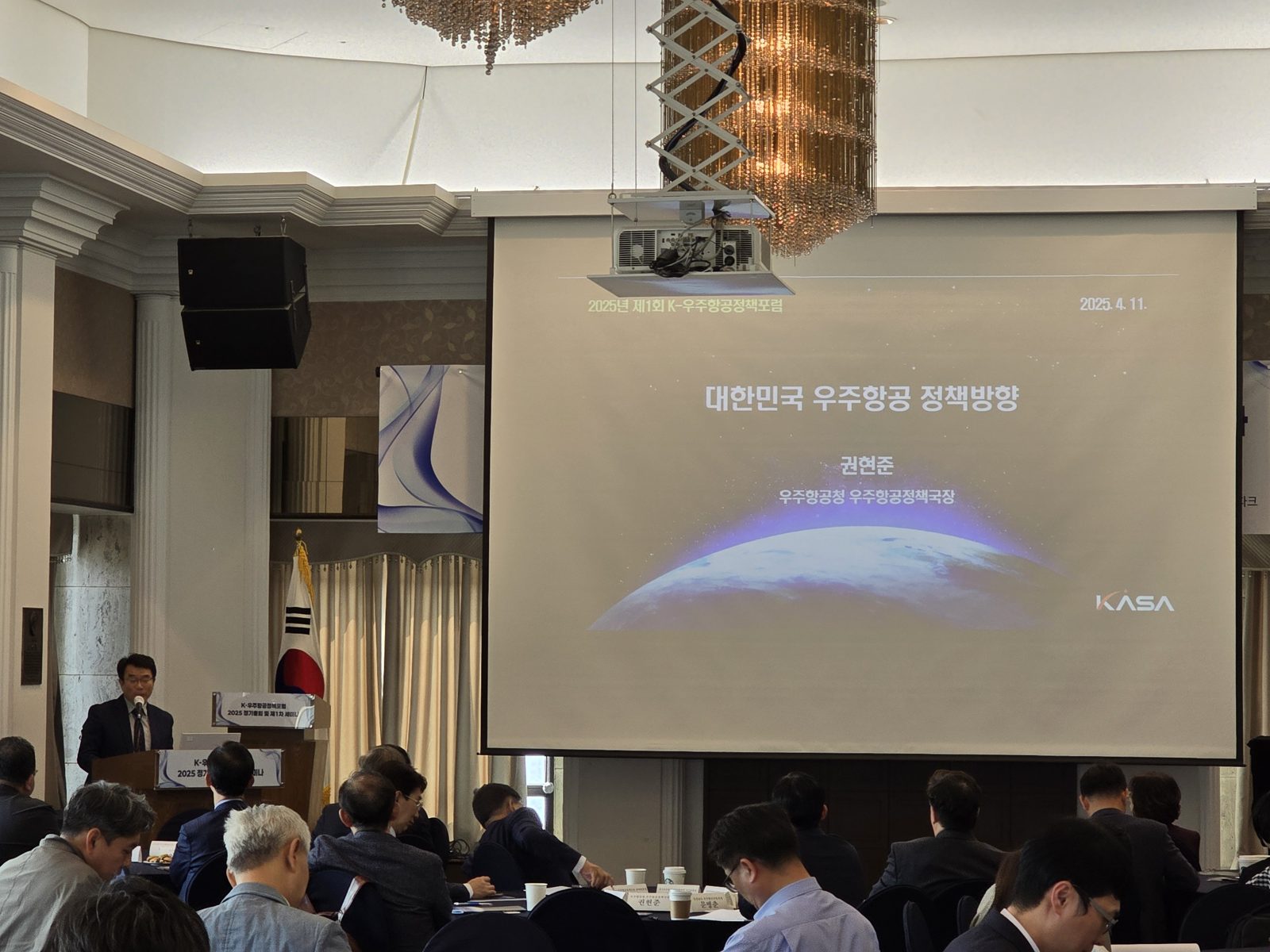
- Hero photograph: a presentation at the 2025 K-Aerospace Policy Forum, by Gyeongsangnam-do, Wikimedia Commons, KOGL Type 1 — read 2026-10-16
Everything above is the rule as published. See how it applies to your case.
Read next
- FounderCraftHometax for foreign founders: VAT, filings and the certificates you will be asked for
- FounderCraftGetting a K-Startup portal account as a foreigner: identity, ARC and certificates
- FounderCraftThe four major insurances when you make your first hire
- FounderCraftThe business address: what a tax office and the visa file accept