Korea startup programs and visas, explained
The agencies announce in Korean. We explain what each rule requires, in English, from the announcement itself — and list every source we read.
Filing, documents and the mechanics of applying from abroad.
30 guides
- FounderCraft
Hometax for foreign founders: VAT, filings and the certificates you will be asked for
외국인 창업자를 위한 홈택스와 부가가치세 신고
The National Tax Service publishes exact VAT filing dates in English: a preliminary and a final return each half-year, on the 25th of April, July, October and January. GOV.KR's own English page lists the business certificates a foreign founder can request, and carries a site-wide notice that applications on the page are available in Korean only.
3 min read3 sources
- FounderCraft
Getting a K-Startup portal account as a foreigner: identity, ARC and certificates
K-Startup 포털 외국인 회원가입
K-Startup's own sign-up flow splits accounts into a domestic (내국인) and a foreign national (외국인) individual member type from the first screen. Both types run through the same four-step process and the same mobile-phone or I-PIN identity check, handled by a licensed verification service, not a form K-Startup itself controls.
7 min read1 sources - FounderCraft
The four major insurances when you make your first hire
첫 직원 채용 시 4대보험 안내
Hiring your first employee in Korea brings four separate insurance programmes into play, reported through one joint portal but administered by different bodies. This post confirms what each covers and who is legally responsible for its premium, and flags where this post could not confirm a current rate from a primary source.
3 min read3 sources
- FounderCraft
The business address: what a tax office and the visa file accept
사업자등록과 사업장 주소
The National Tax Service's own English-language service listing names a lease agreement copy as a required document for a business registration application. Business registration is one of InvestKOREA's seven incorporation steps, and the address behind it carries into the company's official documents.
3 min read3 sources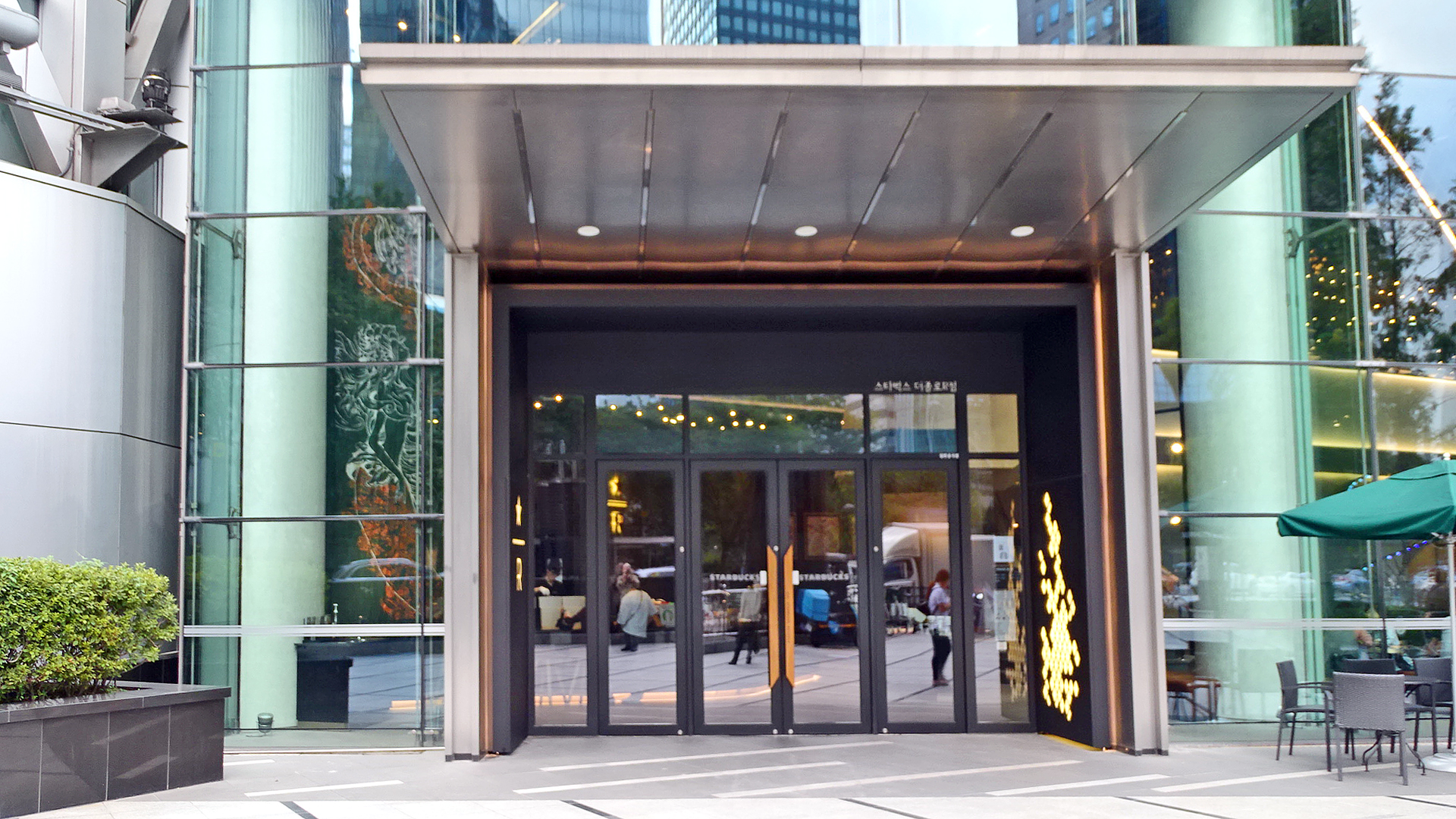
- FounderCraft
Working with a Korean patent attorney (변리사): what the role is and how to brief one
한국 변리사와 협업하기
KIPO's own pages state that a foreign applicant without a Korean address or place of business cannot file a patent, utility model or PCT national phase application without a Korean agent. That agent role is filled by a registered patent attorney (변리사) or a legal representative. This post covers what KIPO requires of the filing, not the licensing exam or discipline of the profession, which this post's sources do not cover.
8 min read4 sources - FounderCraft
Registering a corporate research institute (기업부설연구소)
기업부설연구소 설립 신고 안내
A corporate research institute registration is a reporting-system status, not a licence, held with the Korea Industrial Technology Association. The number of dedicated researchers it requires scales with company size. The page fetched for this post does not itself state that registration is the basis for an R&D tax credit; the legal basis it cites is the enforcement rule of the Industrial Technology Research Association Act.
4 min read2 sources
- FounderCraft
The corporate seal and its certificate: what needs one
법인인감과 인감증명서
InvestKOREA's incorporation sequence registers a company at the court, and a corporate seal belongs to that registration. It is a different seal, and a different office, from the personal seal certificate a district office issues to individuals.
3 min read4 sources
- FounderCraft
KIBO and KODIT: technology and credit guarantees, and which one a startup meets
기술보증기금(KIBO)과 신용보증기금(KODIT)
KIBO assesses technology and KODIT assesses general creditworthiness, but both are credit guarantee funds, not lenders: they guarantee a portion of a bank loan so a company without collateral can still borrow. Their own pages describe an AI-based technology rating for KIBO and a four-stage startup guarantee line for KODIT.
3 min read4 sources - FounderCraft
Entering Korea from a PCT application: the national phase
한국 PCT 국내단계 진입
A PCT application does not become a Korean patent by itself. WIPO's own time-limit table and the Korea national chapter of the PCT Applicant's Guide, both published under MOIP's authority as the designated office, set a 31-month deadline, a Korean-translation requirement, national fees and a mandatory local agent for non-resident applicants.
8 min read3 sources
- FounderCraft
Venture company certification (벤처기업확인): routes and what it unlocks
벤처기업확인 제도 안내
Korea's venture company certification has four separate routes, each with its own evaluator, fee and requirements. The official system's own pages set out an investment route, an R&D route, an innovation-growth route and a pre-venture route, plus a published benefits list covering tax, guaranteed loans, KOSDAQ listing and stock options.
4 min read5 sources
- FounderCraft
Foreign direct investment reporting and the foreign-invested company registration
외국인투자 신고와 외국인투자기업 등록
InvestKOREA's published incorporation sequence opens with foreign direct investment notification and closes with foreign-invested company registration, the seventh and last step. The registration deadline is 60 days after the investment payment, and the notified body is KOTRA or a foreign exchange bank.
3 min read2 sources
- FounderCraft
Who scores your application: KISED's evaluator pool and how panels are formed
창업지원사업 평가위원회 위원 후보단(Pool)
KISED (창업지원사업평가위원회 후보단) keeps a standing, rolling-recruitment pool of technology and management evaluators, recruited through the K-Startup portal. Its own notice states what an appointed member does: score programmes, sit on deliberation bodies, and inspect funded startups. The notice does not publish the qualification bar or the evaluation fee amount.
3 min read3 sources - FounderCraft
Design registration with KIPO: what it protects and how a filing runs
한국 디자인 등록, 무엇을 보호하고 어떻게 진행되는가
KIPO protects the appearance of an article as a design right, separate from a patent or trademark. Its own pages describe two examination routes, a 20-year term from filing, and special systems for partial and related designs. The OASIS operator scores a registered design lower than a registered patent, and the two systems answer different questions.
7 min read3 sources - FounderCraft
The startup SME tax reduction (창업중소기업 세액감면): who qualifies and for how long
창업중소기업 세액감면 제도
Article 6 of Korea's Restriction of Special Taxation Act reduces income or corporate tax for a qualifying startup SME. The rate depends on founder age, location and founding date, the reduction runs for up to five tax years, and the statute itself does not address a foreign founder's eligibility.
5 min read3 sources - FounderCraft
Opening a Korean corporate bank account as a foreign founder
외국인 창업자의 법인 통장 개설
InvestKOREA's published incorporation sequence places the corporate bank account at step six, after business registration and before foreign-invested company registration. The same page notes a 20-business-day restriction on opening a second account at another bank once the first is open.
3 min read2 sources - FounderCraft
From idea to venture record to application: the evidence chain
아이디어에서 창업 이력과 사업 신청까지
A Korean startup application becomes easier to verify when the idea, the venture record, and the selected notice are kept as one evidence chain. This guide shows how to move between those stages without treating a portal profile as proof of eligibility.
6 min read3 sources - FounderCraft
PSST Team section: show who can deliver the plan
PSST 팀 구성 섹션 작성법
The PSST Team section should connect named people to the work a current programme plan proposes. Use the current notice and attachment, then show roles, relevant evidence and gaps without inventing a required score or team size.
3 min read3 sources - FounderCraft
PSST Scale-up section: turn a plan into a credible growth path
PSST 성장전략 섹션 작성법
The PSST Scale-up section should show how a defined customer problem becomes a larger, testable business. Map the growth path, evidence, resources and risks to the current programme attachment instead of copying a generic template or inventing a funding number.
5 min read4 sources - FounderCraft
Patent and utility model filing in Korea: what the OASIS matrix counts
한국 특허와 실용신안 출원, OASIS 점수에서 세는 항목
KIPO treats patents and utility models as different rights with related filing steps. For the OASIS D-8-4 matrix, registered rights, co-inventor rights and pending applications receive different points, while overlapping intellectual-property points are capped. File according to KIPO rules, then document the status the operator can verify.
5 min read4 sources
- FounderCraft
PSST Solution section: turn a problem into a testable response
PSST 해결방안 섹션 작성법
The Solution section should show how a defined product or service responds to the specific problem in the plan. Connect each feature to a customer failure, explain what you can deliver, and leave current programme fields to the notice and its attachment.
4 min read3 sources - FounderCraft
Filing a trademark with KIPO as a foreign founder
외국 창업자의 한국 상표 출원
A foreign founder can file a Korean trademark, but the route depends on whether the applicant has an address or place of business in Korea. MOIP explains the filing documents, Korean-language requirement, representative rule and priority window.
4 min read3 sources - FounderCraft
PSST Problem section: what a Korean reviewer needs to understand first
PSST 문제정의 섹션 작성법
The Problem section is the part of a PSST plan that makes the opportunity testable. Define the affected customer, the failure they experience, the evidence you have, and the alternative they use now without pretending an old form is the current rule.
4 min read3 sources - FounderCraft
KIPRIS: how to search Korean trademarks and patents before you file, and what IP scores for D-8-4
KIPRIS 상표·특허 검색과 D-8-4 지식재산 점수
KIPRIS is Korea's free patent and trademark search, run for MOIP (formerly KIPO). How to search it, what a clean result cannot show, how a founder living in Korea can file without a patent attorney and for how much, and what patents, designs and applications are worth on the D-8-4 matrix.
11 min read20 sources - FounderCraft
Register a business in Korea as a foreigner: sole proprietor or corporation, and what your visa needs
외국인 사업자등록: 개인사업자와 법인, 비자에 맞는 형태
A sole proprietor registers at the tax office within 20 days of starting; a corporation registers at the court registry first. D-8-4 needs a corporation, D-9-1 needs an individual registration as a trade business, and the date you register decides whether 예비창업패키지 or 초기창업패키지 is still open to you.
12 min read34 sources
- FounderCraft
Toss Payments: why the webhook, not the redirect, decides a sale
토스페이먼츠 연동 가이드: 결제 완료를 리다이렉트가 아닌 웹훅으로 처리해야 하는 이유
Foreign founders integrating Toss Payments often rely on the client browser redirect to grant access. That pattern breaks on mobile drops, tab closes, and virtual accounts. Toss Payments developer documentation mandates webhook-driven fulfillment. How the retry policy works, HMAC signature verification, and building idempotent handlers.
3 min read2 sources
- FounderCraft
Sending Korean customer data to a foreign AI API: what PIPA Article 28-8 asks
한국 고객 데이터를 해외 AI API로 전송할 때: 개인정보 보호법 제28조의8 요건
Sending Korean user personal information to foreign AI models constitutes a cross-border transfer under PIPA Article 28-8. The law bars overseas transfer unless you meet one of five statutory exemptions. How the contract execution path works, the five mandatory disclosures, and the Commission's suspension powers under Article 28-9.
4 min read2 sources - FounderCraft
The Business Model Canvas, mapped onto what a Korean 사업계획서 actually has to prove
A Korean application form does not ask for a strategy essay — it asks for a plan whose budget lines KISED prints in advance: prototype, marketing, intellectual property. Map the Canvas's nine blocks onto those categories and the interim evaluation stops being a surprise.
3 min read3 sources
- FounderCraft
Y Combinator's application and a Korean programme's: two processes, and what actually transfers
YC publishes a fast, question-driven process — online application, video interview, same-day decision, funding on acceptance. KISED publishes an annual cycle scored on a 사업계획서 with staged money. The two systems reward different preparations; the overlap is narrower than either community admits.
3 min read4 sources
- FounderCraft
Validate before the 모집공고 closes: what the printed calendar actually gives you
A Korean call is a dated evaluation window — the 2026 예비 공고 took applications for three weeks in March, selected in April and paid from May. Validation that happens before writing the 사업계획서 is the only kind the window rewards.
3 min read5 sources - FounderCraft
PSST, section by section: the nine numbered blocks of KISED's startup business plan
KISED's 창업아이템 사업계획서 is a nine-section form — 1-1 background, 1-2 market, 2-1 readiness, 2-2 realisation, 3-1 business model, 3-2 go-to-market, 3-3 schedule and funding, 4-1 team, 4-2 social value. Our generator encodes the numbering; each year's 공고 attachment remains the binding document.
3 min read3 sources