Korea startup programs and visas, explained
The agencies announce in Korean. We explain what each rule requires, in English, from the announcement itself — and list every source we read.
Funding calls and what their eligibility clauses actually require.
25 guides
- Programs
Korea Expressway youth AI startup pilot (한국도로공사 청년 AI 스타트업): who counts as 청년
한국도로공사 청년 AI 스타트업 지원 시범사업 안내
The Korea Expressway Corporation's 2026 youth AI startup pilot paid up to 50 million won to two big-data and AI pre-founders aged 19 to 39 with nothing registered in their own name. The notice sets no nationality rule, but it needs a Korean business registration and SME confirmation after selection.
5 min read2 sources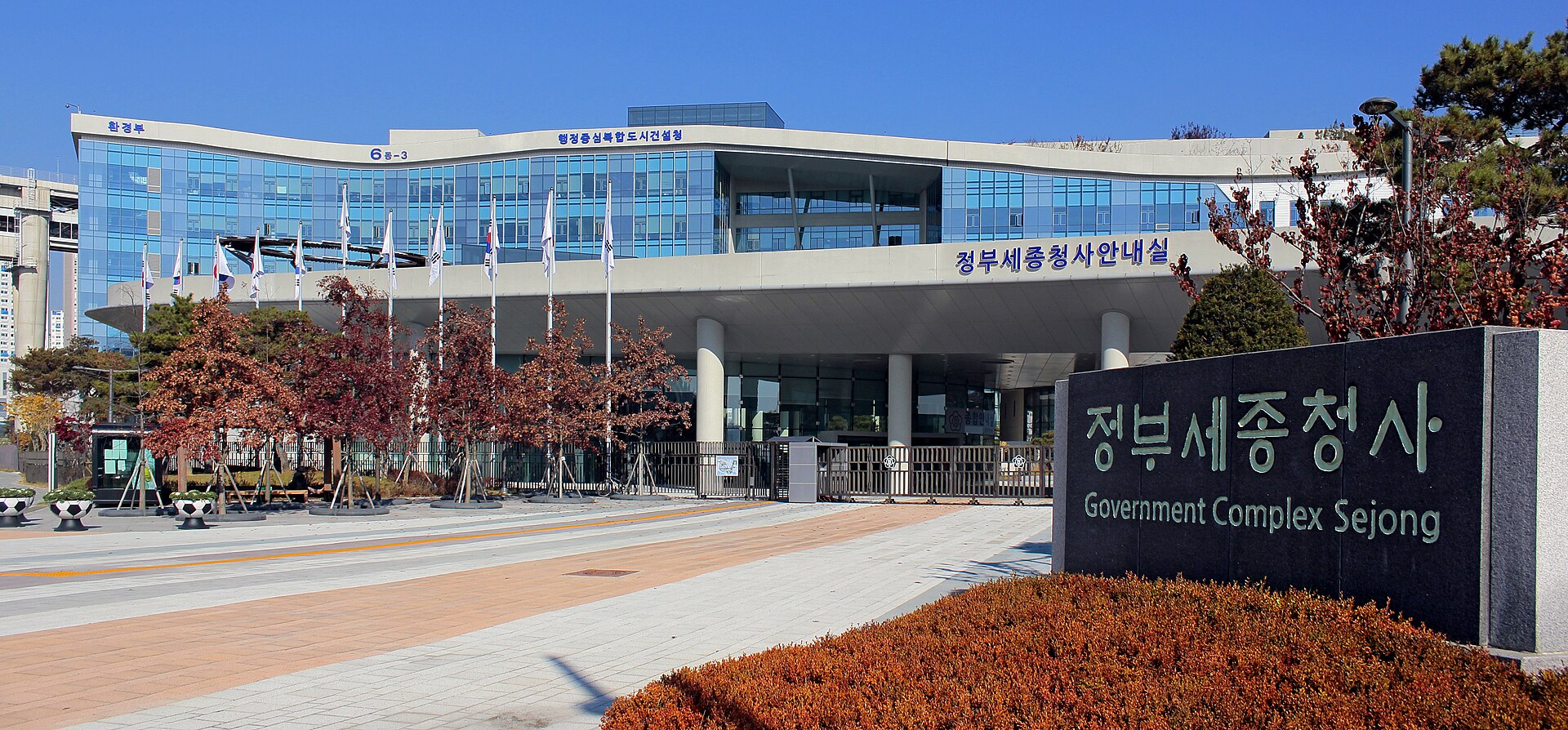
- Programs
Startup Water 2026 (물산업 혁신 창업대전): K-water's water startup competition
2026 대한민국 물산업 혁신 창업대전(Startup Water) 안내
Startup Water is a water-industry startup competition hosted by Korea's climate, energy and environment ministry and run by K-water. The 2026 notice sets two tracks of nine winning teams each, open to the whole public, and says nothing about foreign founders.
5 min read2 sources
- Programs
What Early Startup Package hosts run beyond the grant: open innovation meetups and IR contests
초기창업패키지 주관기관 오픈이노베이션 밋업·IR 경진대회
The Early Startup Package pays the grant, but its host organisations (주관기관) add their own programmes. CNTTech ran a Naver Cloud open innovation meetup and a four-round Rocket Ship IR competition in 2026 for companies already selected into the package. Neither notice sets a nationality rule.
5 min read11 sources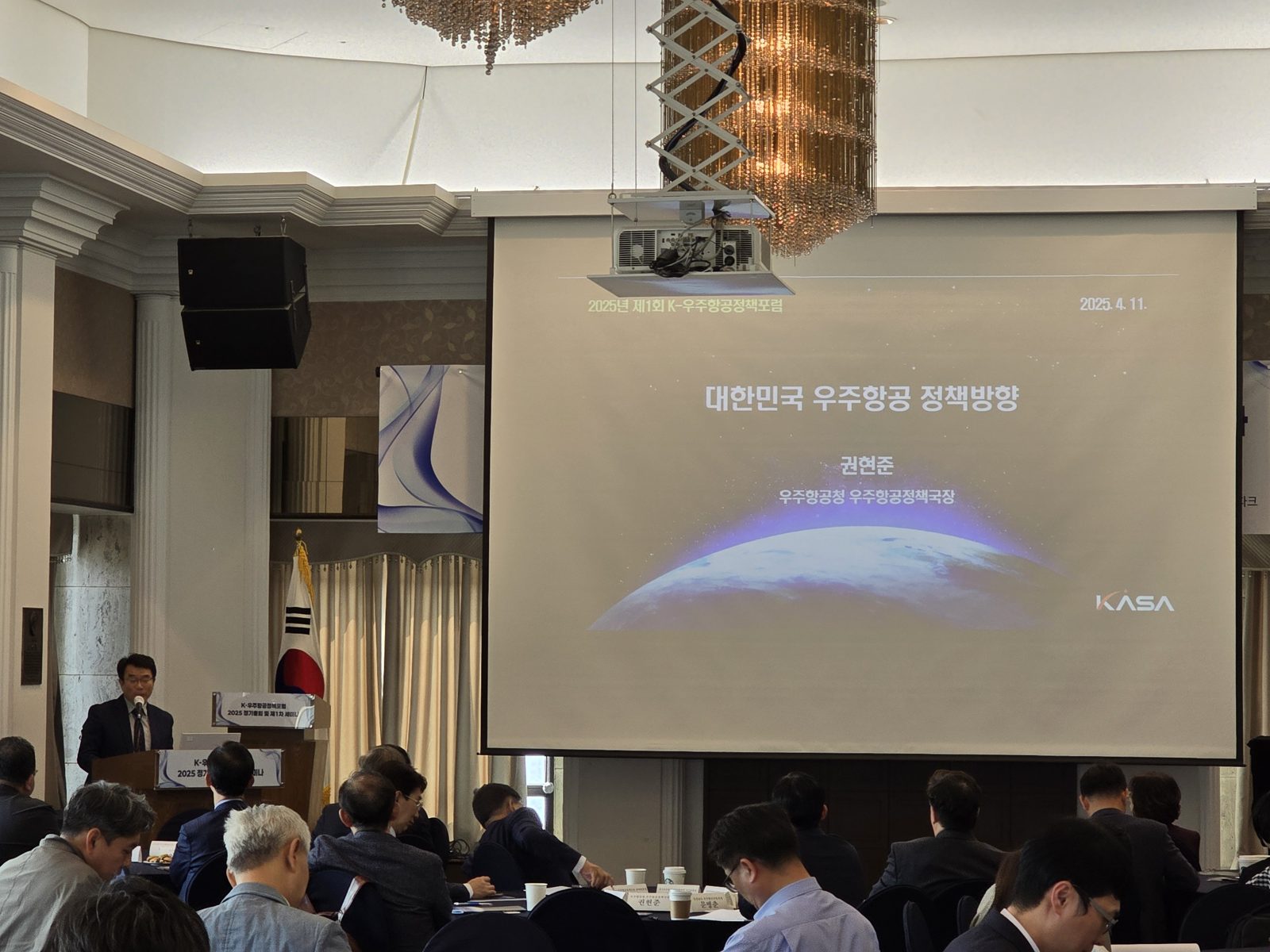
- Programs
The TIPS family for foreign founders: Pre-TIPS to Global TIPS, track by track
외국인 창업자를 위한 팁스(TIPS) 패밀리 총정리
TIPS is five stages, not one programme, per TIPS's own published timeline: launch, non-R&D linkage, TIPS Town, Pre-TIPS/Post-TIPS, and a 2026 growth-stage line. No 2026 notice fetched for this post states a foreign-founder or foreign-investment condition for any track; where a notice is silent, this post says so rather than guessing.
4 min read5 sources - Programs
Approaching a TIPS operator: what it screens for before recommending you
팁스(TIPS) 운영사에 다가가는 방법
A TIPS operator, not the government, is the first reader of a TIPS-track application. Government sources describe the operator as an angel-investing accelerator or VC that screens and recommends startups before the government makes its own selection. The operator directory itself does not publish a total operator count on the page fetched for this post.
3 min read3 sources
- Programs
창업성장기술개발: the startup R&D line and how it differs from a grant
창업성장기술개발사업과 R&D 지원
창업성장기술개발 (Startup Growth Technology Development) is one of several technology-development lines under the Ministry of SMEs and Startups' annual integrated R&D notice, administered by TIPA through the SMTECH system. Its own listing describes it as funding technology-development costs, not a flat grant, alongside separate lines for innovation, public-private commercialisation and investment-linked development.
3 min read3 sources
- Programs
Private accelerators in Seoul: which ones actually say they take foreign founders
Among well-known private accelerators active in Seoul, Antler Korea's own site states a mixed-nationality founder base directly, with pre-seed terms of $110,000 for 11% equity after a six-week residency, and SparkLabs Korea's own apply page states that founder nationality is irrelevant to selection. Google for Startups Accelerator: Korea and Plug and Play Korea publish general eligibility criteria that do not mention founder nationality either way, so confirm directly before assuming either of them accepts a foreign-founded company.
4 min read4 sources
- Programs
Incheon Foreign Startup Challenge: what IFC actually is, and why IFC2026 is already closed
The Incheon Foreign Startup Challenge (IFC) is Incheon Technopark's annual competition for foreign tech entrepreneurs, run through its AI Innovation Center. Its own IFC2026 notice closed on July 3, 2026, with no live next-round notice on the pages fetched for this post. Search results describing Incheon Technopark's page connect IFC to OASIS-6. Confirm a current notice on itp.or.kr before treating this as an open call.
3 min read2 sources
- Programs
K-Startup Grand Challenge: KISED's foreign-founder accelerator, and the track it is not
K-Startup Grand Challenge (KSGC) is KISED's own accelerator for foreign nationals with a prospective or under-seven-year-old startup, selecting roughly 40 companies with office space, settlement funds, demo-day prize money and D-10-2/D-8-4 visa support. A separate, narrower track on ksgc.global serves teams of enrolled international students already in Korea. KISED's own page still shows an April-May 2025 window, so confirm current dates before applying.
5 min read2 sources
- Programs
Demo days and IR events: which ones take a foreign-founded company?
데모데이와 IR 행사에 외국인 창업기업이 참여하는 법
A demo day, an investor-matching day and a startup festival can all appear under Korea's event and network support line, but they do not share one eligibility rule. Foreign-founded companies should read the event notice for applicant, location, language and pitch requirements.
6 min read4 sources - Programs
IP support programmes for startups: where IP-R&D fits
스타트업 IP 지원사업과 IP-R&D의 위치
Korean startup support includes public IP search, consulting and commercialisation programmes, but each notice sets its own applicant and delivery rules. This guide separates the IP work a founder can do now from the programme support that must be matched to a current notice.
6 min read3 sources
- Programs
GovTech and public-sector competitions in Korea: read the line before the prize
GovTech 공공부문 창업경진대회 읽는 법
A public-sector competition is not one generic grant. K-Startup classifies notices by support line and publishes the current announcement, operator and attachment. Use the GovTech line as a route for matching a public problem to the notice that actually accepts your company.
3 min read3 sources - Programs
The Korean startup 공고 season: why January to March feels heaviest
한국 창업지원사업 공고 시즌과 11월 준비법
Korean startup-support notices do not all open on one national deadline. Still, January to March often feels heavy because the annual integrated notice is published before the year starts and many KISED programme pages place notices, applications and selection steps across the first quarter. Use November to prepare a system, not to guess next year's dates.
6 min read5 sources
- Programs
Corporate open innovation calls: what BOUNCE shows a startup should prepare
기업 오픈이노베이션 공고와 BOUNCE 준비법
Corporate open-innovation calls are usually about a specific company problem, not a general startup pitch. BOUNCE is a useful worked case: its official notice describes private one-to-one meetups between startups and large or mid-sized companies, so founders should prepare a problem-matched collaboration proposal rather than a generic deck.
6 min read4 sources - Programs
Tokyo PMF and GTM programmes: how to read an overseas expansion line
도쿄 PMF·GTM 프로그램 읽는 법
An overseas PMF or GTM programme should be read as a market-validation route, not as a travel budget or a guaranteed sales channel. Use the Tokyo line as a worked case: define the target market, prepare evidence, and verify the current notice before relying on dates or support details.
4 min read4 sources - Programs
SVC Seoul Startup Venture Campus: the global membership line
SVC Seoul Startup Venture Campus 글로벌 멤버십
SVC is a public-partnered startup support platform with a global-expansion focus. Treat the Seoul membership line as an access and ecosystem route whose current notice controls seats, dates, fees and eligibility, not as automatic grant funding.
5 min read4 sources - Programs
Korean startup programmes by sector and stage: which line fits you?
업종과 성장단계에 맞는 창업지원사업 찾기
Korean startup support is organized into lines that include commercialization, R&D, space, mentoring, global support and more. Choose by company stage and sector first, then verify the current notice rather than treating every programme as interchangeable grant funding.
4 min read4 sources - Programs
TIPS and the private-public matching route: the investor decides first, the government funds follow
TIPS — 민간 투자사가 먼저, 정부 자금이 뒤따르는 매칭 경로
TIPS selects startups through private investment firms: a TIPS-operating firm invests, incubates and recommends first, and government R&D and commercialisation funds are matched to that decision. KISED prints a ₩123.7 billion budget across some 860 companies — but a recommendation is not an award, and the two official pages even print different application windows.
5 min read3 sources - Programs
COMEUP 2026 lands at COEX on 9 December — and the K-Startup Grand Challenge window is still unannounced
컴업 2026, 12월 9일 코엑스 개최 — K-스타트업 그랜드 챌린지 모집 일정은 아직 미공개
COMEUP 2026 runs 9-11 December at COEX 3F C Hall, hosted by the Ministry of SMEs and Startups with KISED. The K-Startup Grand Challenge accepts foreign founders and carries visa support, but KISED has not published a 2026 application window and the dates circulating online do not come from it.
8 min read4 sources - Programs
Try Everything 2026 at DDP, and the investor meetup door that shut on 19 July
트라이 에브리싱 2026, 9월 9일 DDP 개막 — 1:1 밋업 신청은 7월 19일 마감
Seoul's global startup festival ran on 9 and 10 September 2026 at the DDP Art Hall. The 1:1 investor meetup window had closed on 19 July, seven weeks before the doors opened. What was on the floor, and what to plan for the next edition.
10 min read2 sources
- Programs
Korea's 예비창업패키지 in 2026: an average of KRW 40 million in two stages, and a 22 January cutoff
The 2026 공고 for 예비창업패키지 prints an average of KRW 40 million per founder, paid in two stages, not the KRW 80 million ceiling on KISED's overview page. Eligibility turned on a cutoff date of 22 January 2026, and foreigners can apply.
5 min read3 sources - Programs
초기창업패키지 starts where 예비창업패키지 stops: registered, three years in, up to KRW 150 million
The second rung of KISED's commercialisation line: registered companies within three years of founding, three tracks, up to KRW 150 million for deep tech, and a cycle that runs a season earlier than the pre-startup package.
4 min read4 sources - Programs
Which Korean startup programmes actually name foreigners — and which pages say nothing at all
The K-Startup Grand Challenge prints its eligibility as foreign nationals, explicitly. The national commercialisation packages print no nationality criterion on their programme pages. The difference between "named" and "silent" is where a foreign founder's search should start.
3 min read8 sources - Programs
Grant, matching, voucher: three ways Korean programmes pay, and how each one arrives
Korea's packages pay a printed sum in stages against an interim evaluation; TIPS pays by matching government money to private investment that arrived first. Vouchers sit in the government's vocabulary too — but no voucher page was fetchable on 2026-09-01, so this post traces only what it could read.
3 min read6 sources - Programs
Anatomy of a 모집공고: the thirteen fields every Korean call prints, and the four that decide your eligibility
A Korean support announcement is a form, not an essay: thirteen printed header fields, six fixed body sections, and a PDF attachment that binds. Four fields — 대상, 창업업력, 접수기간, 주관기관명 — decide whether the call is yours to enter.
3 min read3 sources